Living · 28 April 2026
The Hua Hin Seasons: Climate, Rhythm, and Coastal Living
A study of Hua Hin's climate reveals an annual cycle shaped by coastal breezes, changing light, and clear seasonal shifts. Understanding these patterns offers insight into the rhythm of daily life along the Gulf of Thailand.
The Microclimate of the Western Gulf
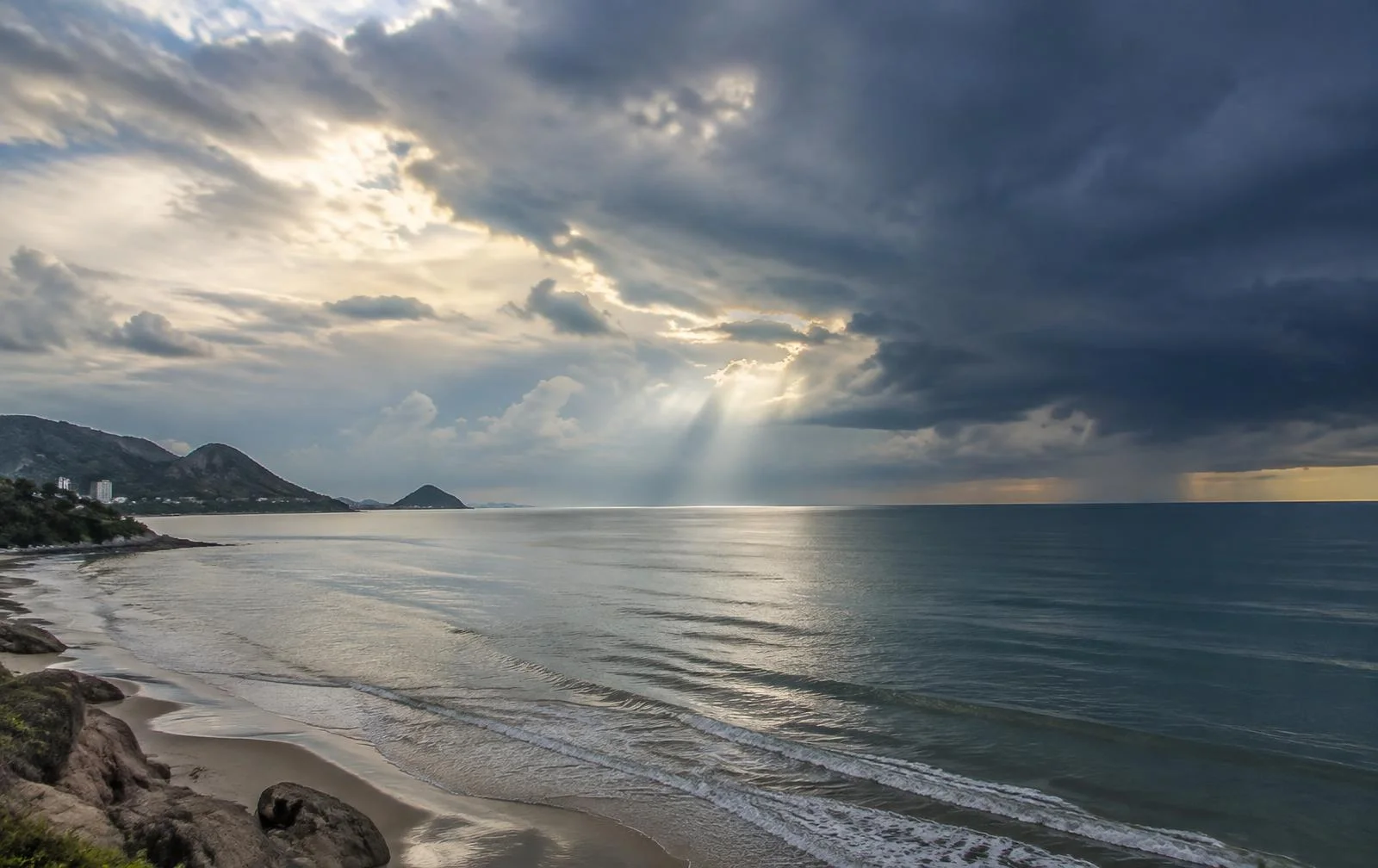
Hua Hin occupies a distinct geographic position along the western coast of the Gulf of Thailand. Protected by the surrounding topography, this stretch of coastline experiences a climate that balances coastal winds with distinct shifts in moisture and temperature. For residents and visitors alike, understanding the local weather is less about severe extremes and more about reading subtle changes in wind, ambient light, and air density across the calendar year.
The annual cycle generally divides into three identifiable periods: the cooler, dry months of late autumn and winter; the hotter, sun-drenched months of spring; and the intermittent rains of the green season. Each phase brings its own pace of living, architectural demands, and outdoor possibilities.
The Cool and Dry Months: November to February
The period from November through February is widely recognized as the most comfortable window of the year. During these months, the prevailing winds shift, bringing drier air from the north and east that feels lighter and noticeably less humid.
From December through February in particular, clear skies and mild temperatures dominate the forecast. Rainfall during this time is minimal or entirely absent, and refreshing breezes move across the coastline. Thai holidaymakers and international visitors frequent the area during these months, taking advantage of conditions that allow for extended outdoor living, coastal walks, and time on the water without the intensity of excessive heat.
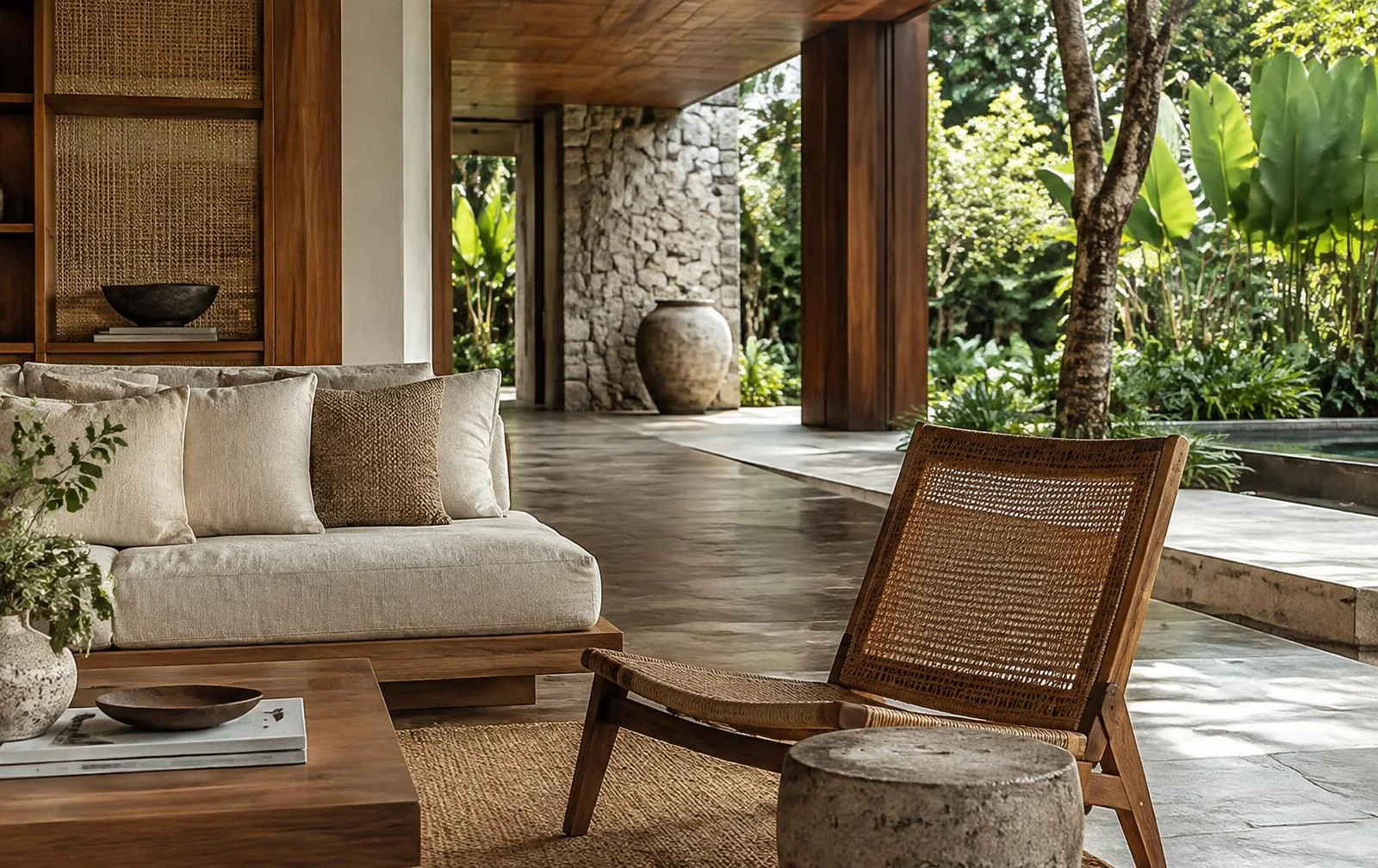
Architecturally, this season highlights the value of natural cross-ventilation. With refreshing coastal breezes active throughout the day, interior living areas can open completely to gardens, private courtyards, and terraces. The quality of sunlight is crisp and golden, casting long shadows across horizontal planes and emphasizing texture in natural stone, water surfaces, and timber elements.
The Warmer Period: March to May
Beginning in March, temperatures across Hua Hin begin to rise. This hot season continues through May, characterized by bright, sustained sunlight and high daytime warmth. While temperatures can be intense inland, the coastal strip continues to benefit from sea winds that temper the midday heat.
This is a period defined by clear horizons and luminous seascapes. Daily life during these months adapts to a slower, more deliberate cadence. Morning hours are suited to coastal recreation, walking, and outdoor pursuits before the sun reaches its zenith. Midday calls for retreating into shaded, well-insulated interior spaces designed to minimize thermal absorption.
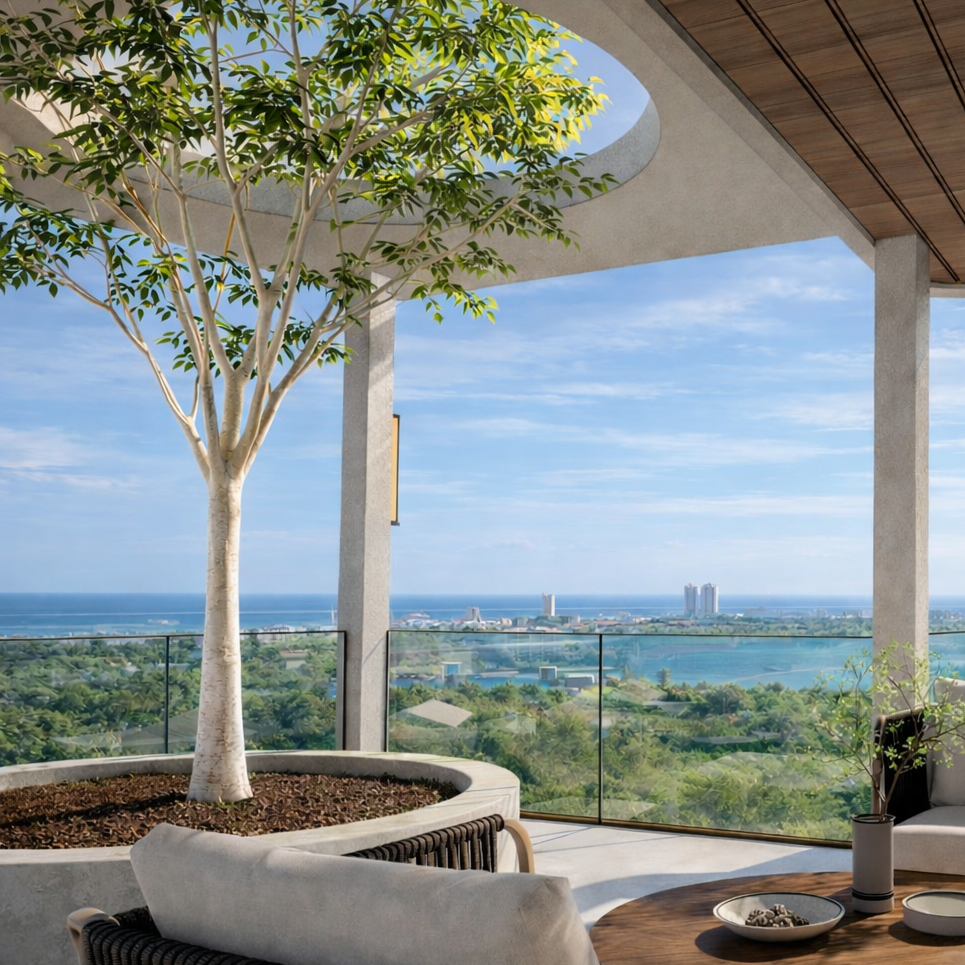
For residential design, the hot season tests the integrity of overhangs, roof performance, and outdoor shading structures. Deep eaves, recessed glass panels, and sheltered loggias become essential features, filtering intense light while framing open vistas toward landscaped greenery or private pools.
The Green Months: June to October
The rainy season begins around June and continues intermittently through October. Unlike continuous monsoonal downpours seen in some regional pockets, rainfall in Hua Hin typically arrives in the form of short, concentrated cloudbursts, often occurring during late afternoons or evenings. Between these brief periods of rain, days frequently feature broken cloud cover and warm, humid air.
This cycle transforms the landscape. The natural vegetation across the surrounding hills and coastal plains turns deeply green, fed by the regular moisture. The atmosphere feels lush and renewed. For travellers and long-term residents who appreciate quietude, this period offers thinner crowds, unhurried town rhythms, and a softer ambient light that suits contemplative living.
Outdoor living does not halt during the green months; rather, it shifts toward sheltered terraces and elevated vantage points where one can observe passing rain systems move across the gulf before clearing back to open sky.
Designing for Seasonal Permanence
Experiencing Hua Hin across all twelve months highlights the importance of home design that responds naturally to climatic shifts. A well-considered residence must remain cool and insulated during the hot months of March through May, open and airy to receive the gentle breezes between November and February, and protective against the intermittent downpours of the rainy season.
This environmental responsiveness is central to the architectural planning of The Vista Hua Hin. Designed as a private enclave of 12 fully furnished residences, the boutique community offers two distinct formats: the V Series single-storey residences and the X Series two-storey residences, which feature an integrated lift and a private rooftop terrace. Each home is built on a full Chanote title within a licensed residential development, with payments structured around construction milestones. Elevated rooflines, sheltered outdoor terraces, and durable finishes ensure each residence harmonizes effortlessly with Hua Hin's varied coastal seasons.
Exclusive Private Residences
A private collection of architecturally distinctive residences in Hua Hin.
Explore the collection