Living · 22 September 2026
Hua Hin vs Koh Samui: Evaluating the Practicalities of Long-Term Coastal Living
Choosing a long-term coastal base in Thailand often narrows to a choice between island seclusion and mainland integration. A closer look at connectivity, infrastructure, and seasonal rhythms reveals marked differences in daily life.
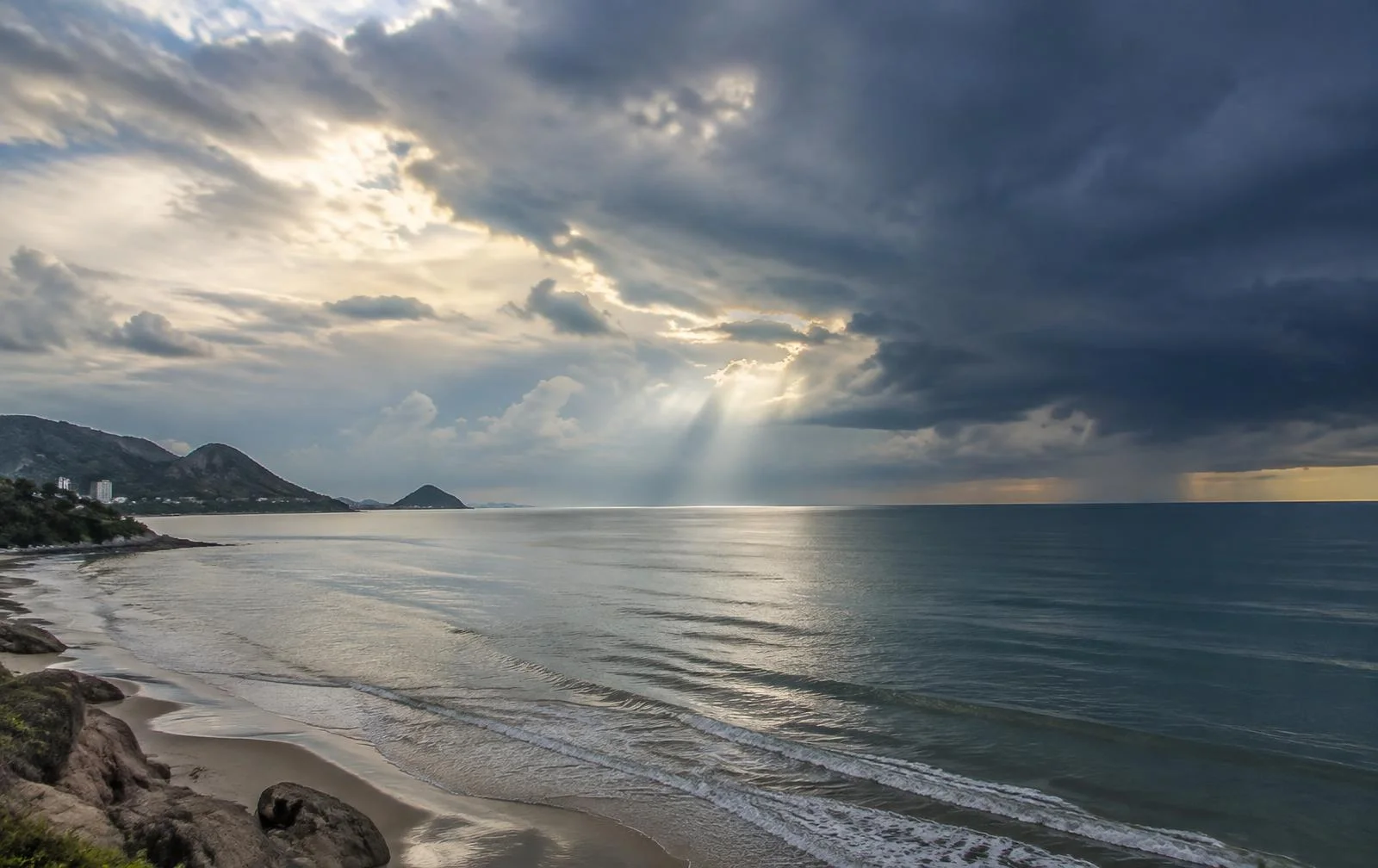
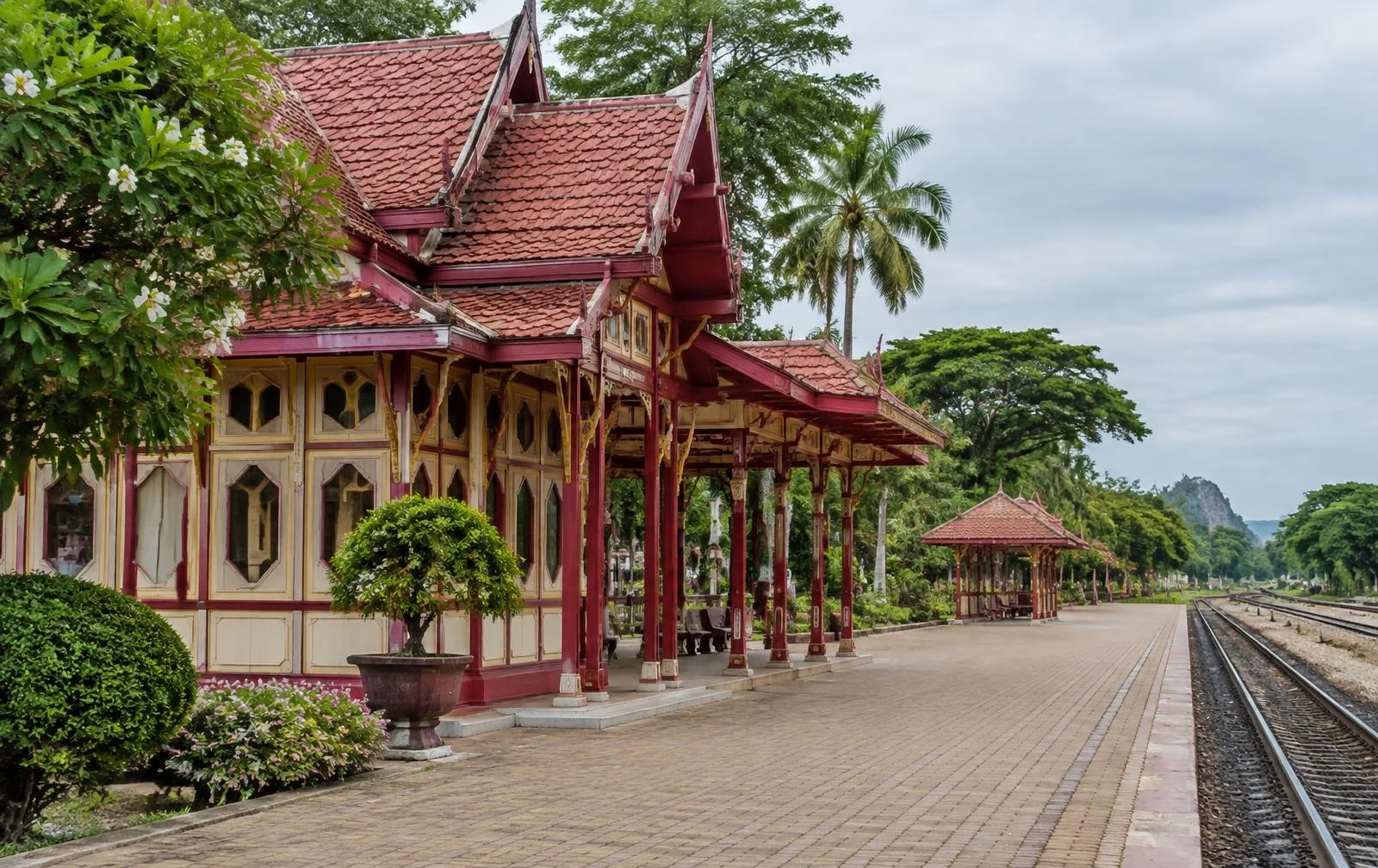
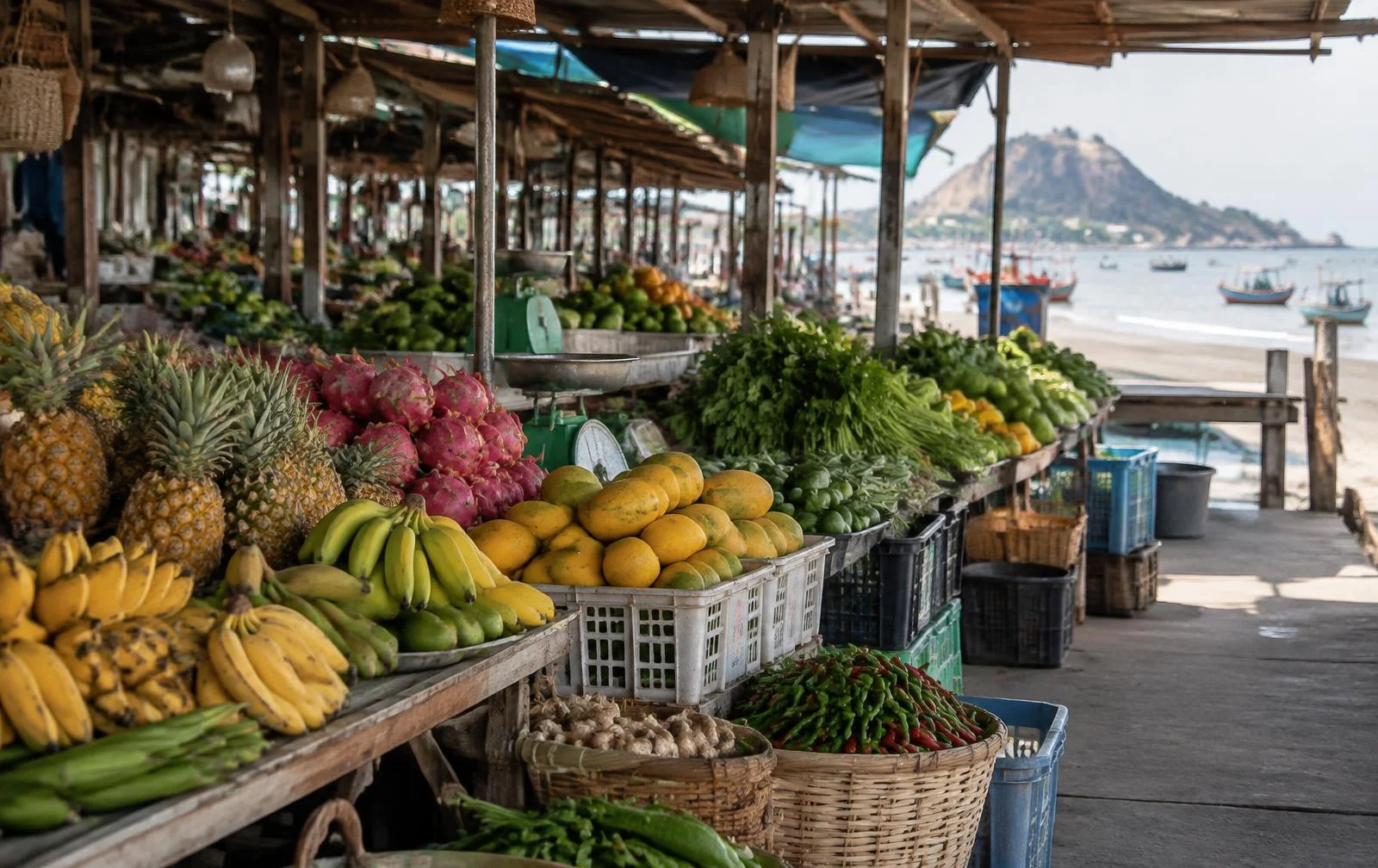
For prospective residents evaluating coastal Thailand for relocation or a permanent second home, Koh Samui and Hua Hin frequently represent the two leading paradigms. Koh Samui embodies the quintessential tropical island, shaped by palm-fringed coastlines, boutique hospitality, and a distinct sense of retreat. Hua Hin, situated on the western shore of the Gulf of Thailand, functions as an established mainland coastal town with deep historical roots.
While both offer coastal living, their functional realities diverge significantly when assessed through the demands of day-to-day residence rather than a brief holiday.
Accessibility and Transport Logistics
The fundamental distinction between mainland and island life lies in transit autonomy. Koh Samui’s geographic isolation requires reliance on air travel or vehicle ferries. While Samui International Airport provides direct connectivity to Bangkok and regional hubs, flight capacity is finite, and ticket pricing can fluctuate noticeably with international holiday seasons. During adverse weather conditions or high-traffic periods, movement to and from the mainland can become an exercise in logistics.
By contrast, Hua Hin benefits from continuous, direct mainland road access. Positioned approximately three hours south of Bangkok by road, the journey allows uninterrupted transit for residents, visiting family, and domestic logistics. This road corridor ensures that travel plans remain independent of flight schedules, seasonal seat allocations, or maritime conditions, conferring an essential layer of convenience for those who maintain professional or personal ties in Bangkok.
Seasonal Rhythms and Residential Stability
Island economies are intrinsically cyclical. On Koh Samui, community energy, local business operation, and residential occupancy tend to fluctuate with the international tourism calendar. The high season brings vibrant cosmopolitan activity, followed by noticeably quieter periods during the monsoon months. For some, this ebb and flow is part of the island’s charm; for permanent residents, it can mean periodic closures of local amenities and fluctuating crowds.
Hua Hin presents a noticeably different pattern of stability. Long favored by the Thai royal family and established Bangkok families, the town has developed a self-sustaining domestic rhythm. Weekend arrivals from the capital supplement a substantial, year-round community of expatriate retirees, remote professionals, and local residents. As a result, businesses, recreational clubs, and services operate on an even keel throughout the calendar year, avoiding the pronounced troughs seen in purely tourist-driven destinations.
Healthcare, Infrastructure, and Everyday Conveniences
When evaluating a location for permanent living, the presence of robust civic infrastructure becomes paramount. Koh Samui has developed admirable private healthcare facilities and international schooling options suited to expatriate needs. However, complex medical treatments or specialized healthcare interventions still frequently require travel to Bangkok.
Hua Hin's integration into the mainland network provides immediate access to major international hospitals, specialized wellness centres, and extensive medical services within the town itself. Furthermore, should advanced medical care in the capital be required, the road connection allows private patient transport without the complications of arranging medical flights. Everyday supply chains, construction materials, utilities, and domestic services also face fewer freight premiums or disruptions on the mainland, providing greater predictability in property maintenance and living costs.
Community Atmosphere and Spatial Character
The topography of Koh Samui—dominated by steep coastal hillsides and intimate bays—naturally favours vertical or hillside architecture designed to capture dramatic sea views. This creates stunning vantage points, though everyday navigation can involve winding, narrow roads.
Hua Hin's coastal plain and gently undulating hinterland allow for a more expansive, grounded residential environment. The area has fostered an understated residential character, where golf courses, wide avenues, and low-density neighbourhoods encourage outdoor activity and a relaxed pace of life. The social atmosphere is comparatively quiet, oriented around leisure, culinary pursuits, and residential privacy.
Ultimately, the choice between Koh Samui and Hua Hin is a question of lifestyle priorities. Koh Samui remains compelling for those drawn to the romanticism and distinct isolation of an island sanctuary. For buyers seeking reliable mainland infrastructure, steady community continuity, and effortless travel logistics, Hua Hin offers a measured and enduring coastal balance.
Within this grounded coastal landscape, The Vista Hua Hin provides a limited collection of twelve private residences, offering homeowners a thoughtful architectural base tailored to the practicalities of permanent living.
Sources
Exclusive Private Residences
A private collection of architecturally distinctive residences in Hua Hin.
Explore the collection