Design · 12 May 2026
The Architecture of Stillness: Light, Water, and Quiet in Residential Design
A home functions at its highest potential when it serves as a retreat for mental clarity and physical ease. While architectural discourse often prioritises structural mass, geometry, and visible finishes, true domestic composure stems from more subtle physical conditions: the deliberate modulation of daylight, the acoustic and reflective presence of water, and the preservation of quiet.
The Calibration of Natural Light
Light shapes our experience of space before any physical surface is touched. In domestic architecture, the objective is rarely to maximize exposure uniformly, but rather to curate its entry, intensity, and direction. Unfiltered direct sun can produce glare, sharp contrasts, and thermal discomfort, prompting inhabitants to shutter openings and detach from the outside world.
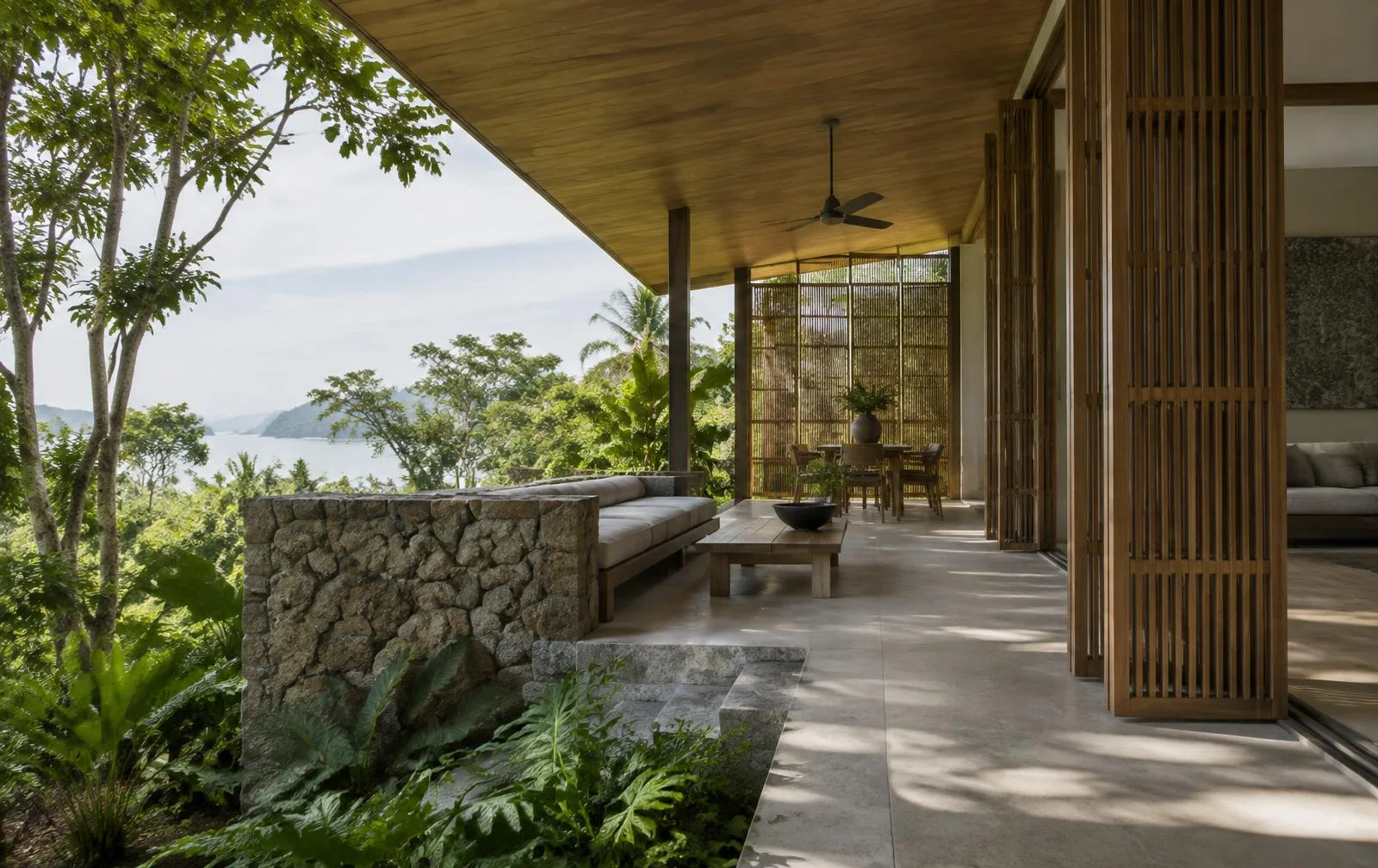
Calm design relies on indirect, reflected daylight. When illumination enters through shaded apertures, deep overhangs, or screened courtyards, it washes across interior surfaces rather than striking them abruptly. Wall planes, ceiling angles, and matte textures absorb and diffuse the rays, creating soft gradations of tone throughout the day. This shifting balance between brightness and shadow grounds the home in the natural rhythm of day and night without overwhelming the senses. In quiet architecture, light is not an ornament; it is a fluid material that gives dimension to space and rhythm to routine.
The Movement and Sound of Water
Water introduces movement, life, and sensory balance to private spaces. Across centuries of residential planning, courtyard ponds, water walls, and gentle cascades have been employed not merely as visual centerpieces, but as active regulators of atmosphere.
A surface of water acts as a natural mirror, capturing sky, foliage, and architectural lines, then reflecting them softly into covered living spaces. This interaction deepens visual perspective, bringing light into sheltered rooms through gentle rippling reflections. Beyond the visual dimension, moving water offers an acoustic benefit. The steady, quiet trickle of water over stone or along a pond edge provides a consistent, low-frequency sound that softens harsh ambient noise.
Whether introduced as an expansive outdoor reflecting pool, an architectural water wall within a private patio, or a subtle feature incorporating natural rocks and pebbles, water establishes a steady tempo. The low, rhythmic sound of trickling water works directly on the nervous system, creating an immediate sense of pause. The water need not be turbulent; indeed, the most soothing features rely on quiet circulation pumps and deliberate falls that emphasize stillness over drama.
Acoustic Boundaries and Spatial Quiet
Quiet in residential design is rarely an accident; it is the outcome of deliberate spatial planning and acoustic boundary control. Modern daily life is saturated with low-grade acoustic pollution, from vehicle movement and utility equipment to the drone of appliances. A tranquil home must function as an acoustic filter.
Achieving quiet begins with spatial zoning. Placing utilitarian functions, circulation paths, and mechanical systems away from primary living and sleeping quarters establishes buffer zones. Thick masonry, textured finishes, and heavy doors absorb and block unwanted sound. Equally significant is the treatment of transition thresholds. A series of layered transitions—from street to courtyard, from covered terrace to interior lounge—allows noise levels to taper off sequentially.
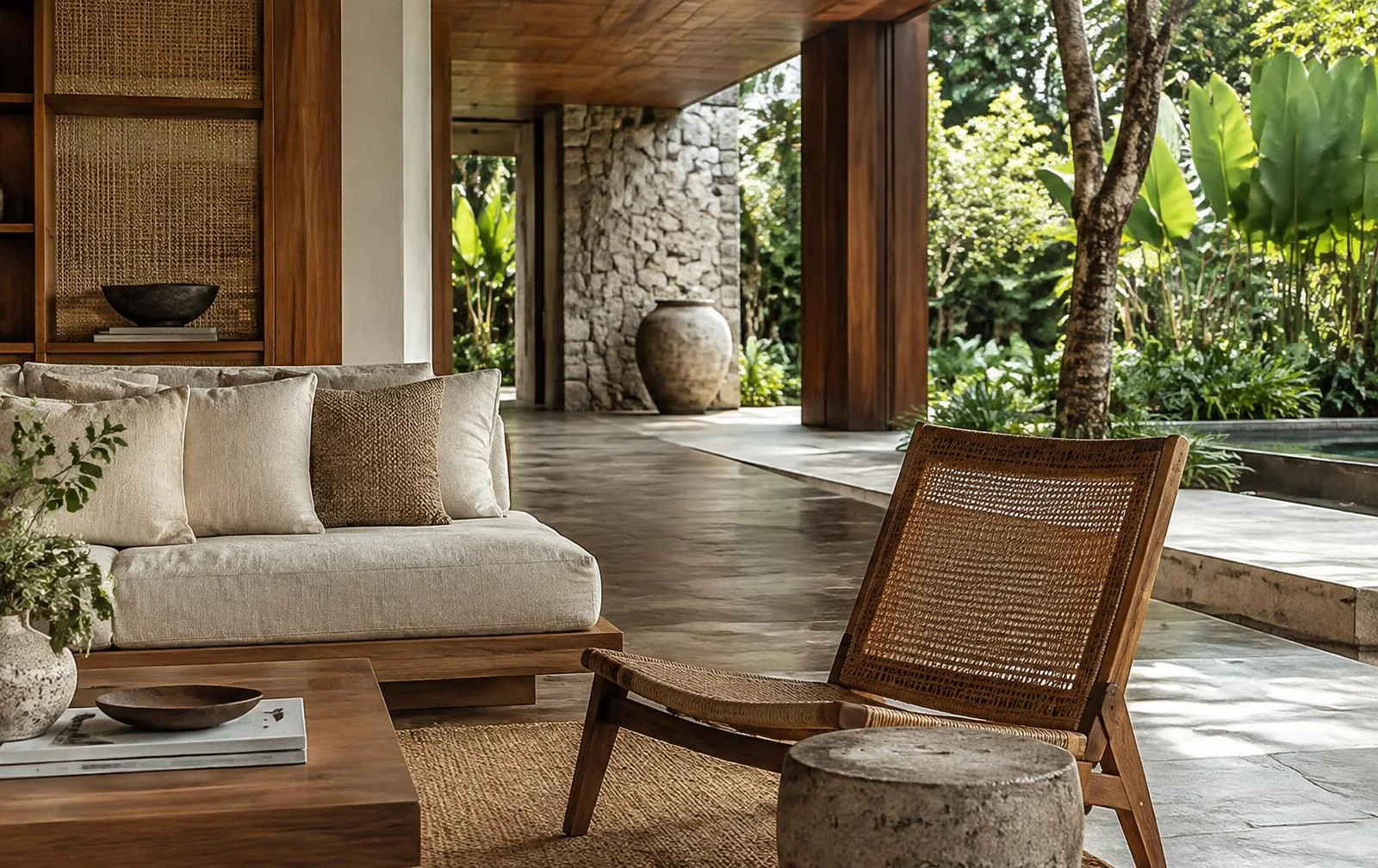
Quiet also requires the dampening of internal echoes. Large volumes of glass, concrete, and tile can amplify footsteps, voices, and daily movement if left unmitigated. Integrating softer tactile elements, natural timber, open-grained stone, and carefully positioned outdoor greenery helps diffuse sound reflections, yielding an acoustic climate that feels soft, private, and contained.
Material Harmony: Stone, Water, and Illumination
The synergy among light, water, and sound becomes most evident where materials intersect. Water falling over smooth river pebbles, dark granite, or textured slate reveals the richness of the substrate while altering the tone of the acoustic ripple. When low-angled light strikes this interface, the resulting shimmer brings an understated vitality to otherwise inert architectural components.
Natural materials possess an innate capacity to age gracefully and ground a residence. Unpolished stone, lime washes, and untreated woods do not fight the elements; they absorb moisture, diffuse light, and insulate against heat and noise. When combined with water features, these materials ground the dwelling in a timeless sensibility, free from visual clutter or artificial distraction.
Restorative Living at The Vista Hua Hin
The interaction of light, acoustic quiet, and open space forms the foundational design intent of The Vista Hua Hin, a boutique collection of 12 private residences in Hua Hin, Thailand. Developed by Dreamvista Development Co., Ltd. as a licensed residential development with full Chanote title, the community balances privacy with natural integration.
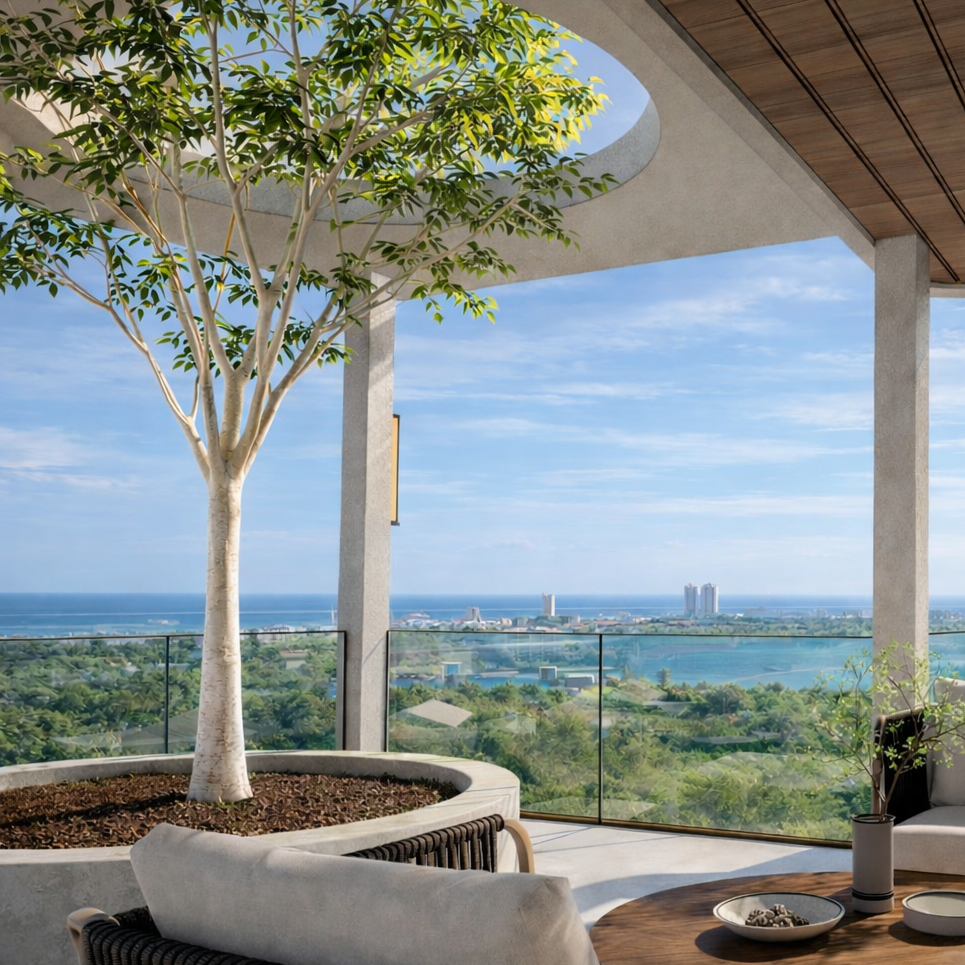
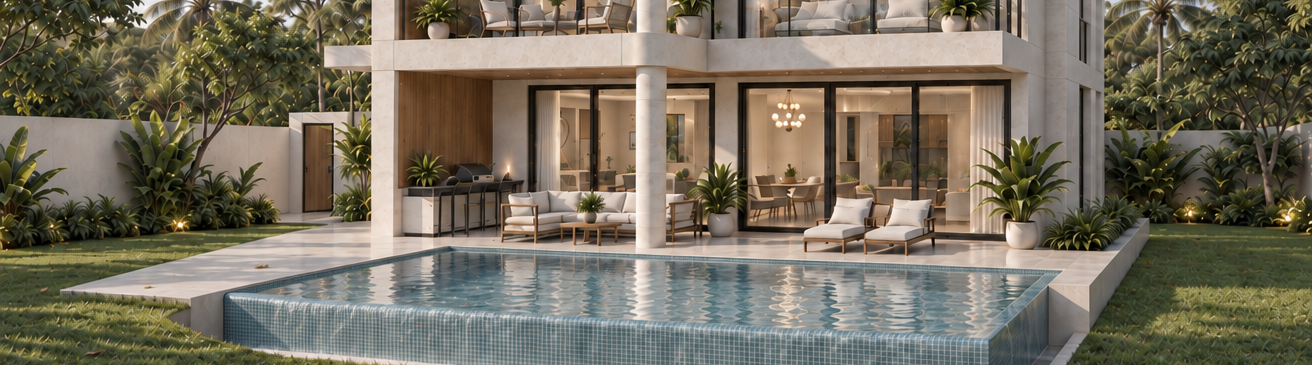
The estate encompasses both V Series single-storey residences and X Series two-storey residences complete with an internal lift and a private rooftop terrace. Each layout is planned to maximize indoor-outdoor flow, shielding living areas from outside noise while encouraging soft cross-ventilation, daylight diffusion, and undisturbed visual links to the surrounding environment.
Exclusive Private Residences
A private collection of architecturally distinctive residences in Hua Hin.
Explore the collection