Design · 16 June 2026
Why a Rooftop Terrace Changes How a House Is Used
A rooftop terrace can give a home another place for everyday life, from morning coffee to conversation after dusk. How often it is used depends less on the view than on comfort, shade, privacy and easy access.
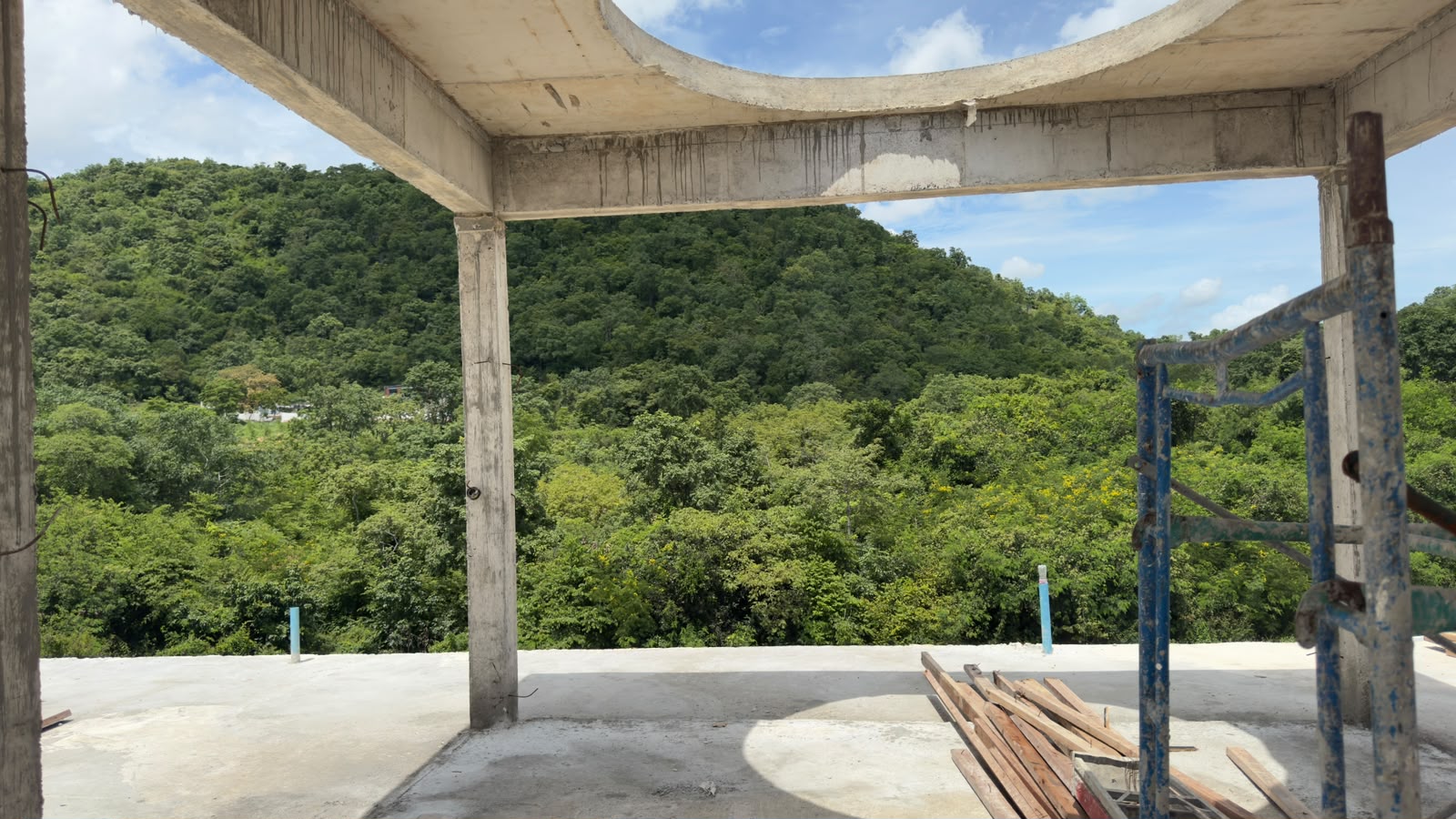
An outdoor room, not just a roof
An empty, exposed terrace offers little reason to linger. Treating it as a living space means giving seating, shade and lighting the same attention they would receive indoors.
Weather-resistant furniture, an outdoor rug and well-placed lighting can make space for reading or gathering with friends. A shade structure or umbrella helps make seating more comfortable during sunny hours. Together, these details give the terrace a practical role beyond somewhere to admire the view.
Shade and planting in a tropical climate
Sun exposure and airflow shape how comfortable a rooftop feels. Unshaded surfaces can become hot during the day, so planting should complement shade rather than be expected to provide all the cooling a terrace needs.
Potted plants and perimeter planters soften hard edges, while leafy planting can filter sunlight where it falls across seating. Its effect depends on the size and position of the plants; greenery alone will not turn an exposed roof into a cool outdoor room.
Timber, stone or composite decking can also change the character of the space, making it feel less stark. Material choice and planting work best as part of the overall layout, rather than as decoration added at the end.
Open views without overlooking
Height may open up views beyond garden walls, but it does not guarantee privacy. A rooftop can be visible from neighbouring windows and terraces even when the garden below is well screened.
Vertical planters, slatted screens and canopies can help shield seating from particular sightlines. Their placement matters: enclosing every edge may obstruct both the outlook and the breeze. The aim is to create sheltered places to sit without losing the openness that makes the rooftop appealing.
Access shapes daily use
The route upstairs has a direct bearing on how inviting a terrace feels. Narrow or steep service stairs can make carrying drinks, books or food awkward, turning a quick visit into an effort.
A comfortable staircase or residential lift can make the roof easier to use as part of the house. This connection is especially useful when the terrace serves as a place to eat or entertain, rather than somewhere visited only occasionally.
Rooftop access at The Vista Hua Hin
The two-storey X Series residences at The Vista Hua Hin include a private rooftop terrace reached by an integrated lift. That connection addresses a practical barrier to rooftop use: moving between the main living areas and the outdoor space above. Shade, seating and privacy remain central to making the terrace useful day to day.
The Vista Hua Hin
See how the ideas become a home
Explore the V Series and X Series residences, their distinct layouts and the floorplans behind each approach to living.
View the floorplansStay updated
New stories from Hua Hin.
Receive new Journal articles, local insights and occasional updates from The Vista Hua Hin.