Hua Hin · 15 September 2026
The Spatial Balance of Hua Hin: Coastal Living Away from the Crowds
For those seeking an oceanfront environment, the choice of location often involves balancing accessibility with tranquility. Hua Hin offers a distinct alternative to higher-density coastal centers, characterized by its linear geography, established community, and measured pace of life.
A Linear Coastal Geography
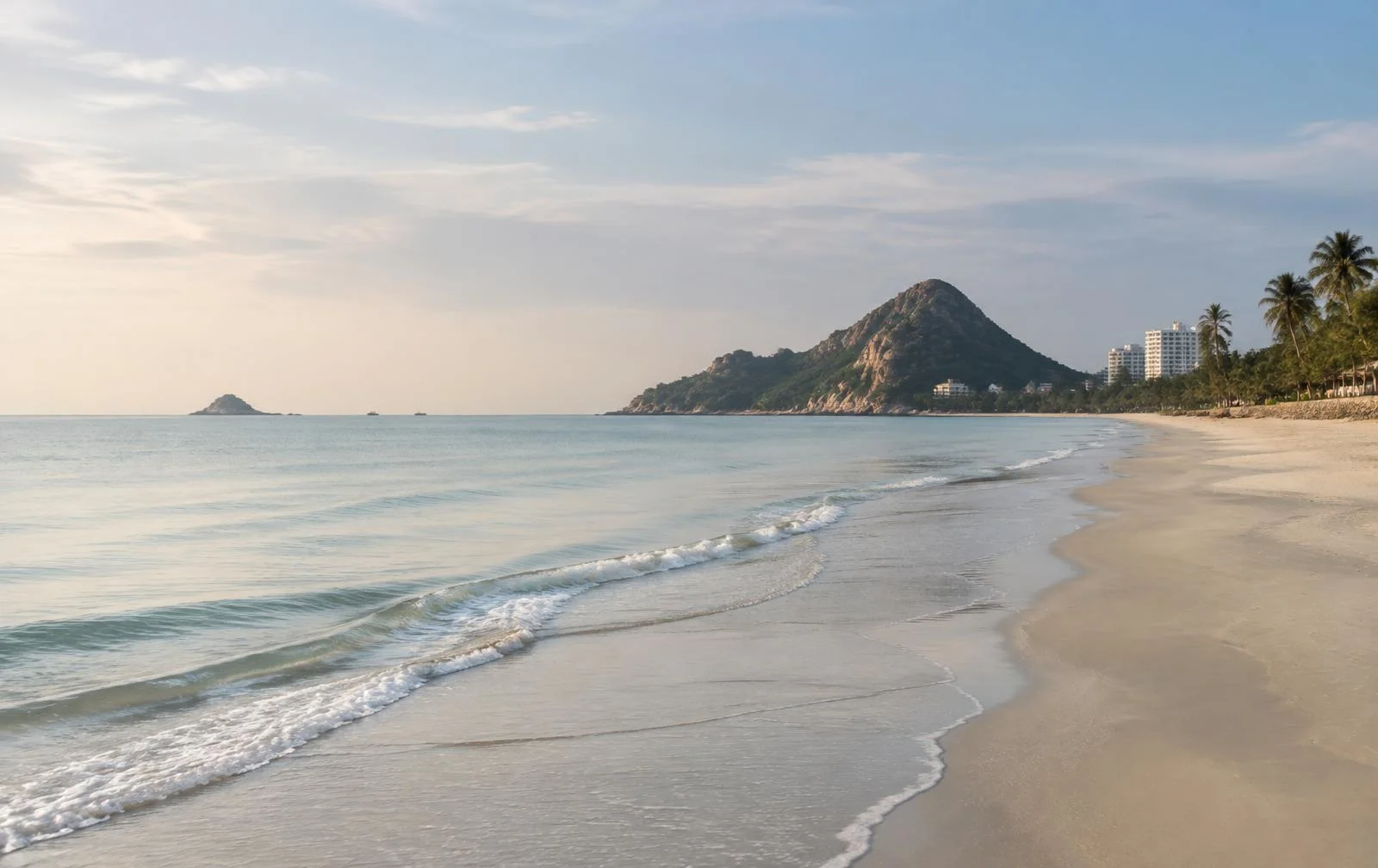
Many coastal resort destinations develop around enclosed bays or concentrated coves. This topography often creates dense, highly clustered tourist hubs where commercial activities, nightlife, and residential zones overlap within narrow boundaries. Hua Hin, by contrast, follows a linear spatial model along the western coast of the Gulf of Thailand.
The town and its surrounding districts are spread out along miles of open coastline. Because development extends northward and southward along this natural coastal corridor rather than clustering around a single central cove, residential districts remain distinct from high-traffic commercial pockets. This linear orientation allows the coastal breeze to circulate freely and prevents the spatial congestion typical of more enclosed beach towns. Long stretches of clean, accessible shoreline provide room for recreation without dense crowds, creating a landscape defined by space, horizontal sightlines, and natural light.
Infrastructure Matched with a Relaxed Atmosphere
A common challenge in coastal living is the compromise between natural peace and modern convenience. Many serene coastal settlements lack the essential services required for sustained, long-term living, while well-equipped cities often sacrifice their quiet rhythm to mass tourism. Hua Hin maintains an equilibrium by combining modern infrastructure with a relaxed, small-town atmosphere.
The municipal footprint supports year-round residency without requiring residents to adapt to the frenetic pace of a large metropolis. Essential urban amenities are integrated into the regional framework. Hua Hin features internationally accredited medical care facilities, providing advanced healthcare services within short transit times. Daily conveniences, including international grocery supply chains, structured municipal roads, and professional services, operate alongside traditional morning markets and independent regional businesses.
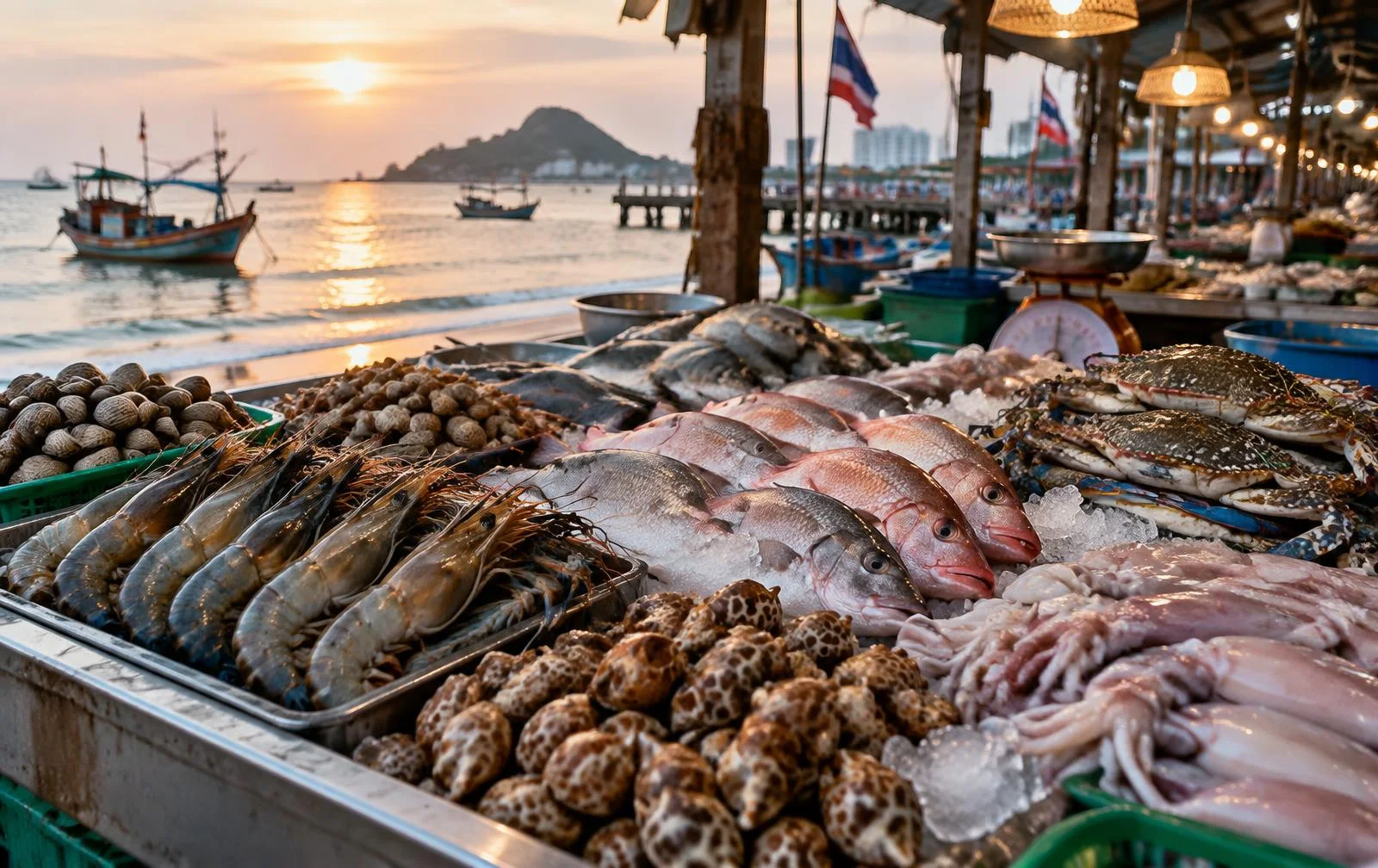
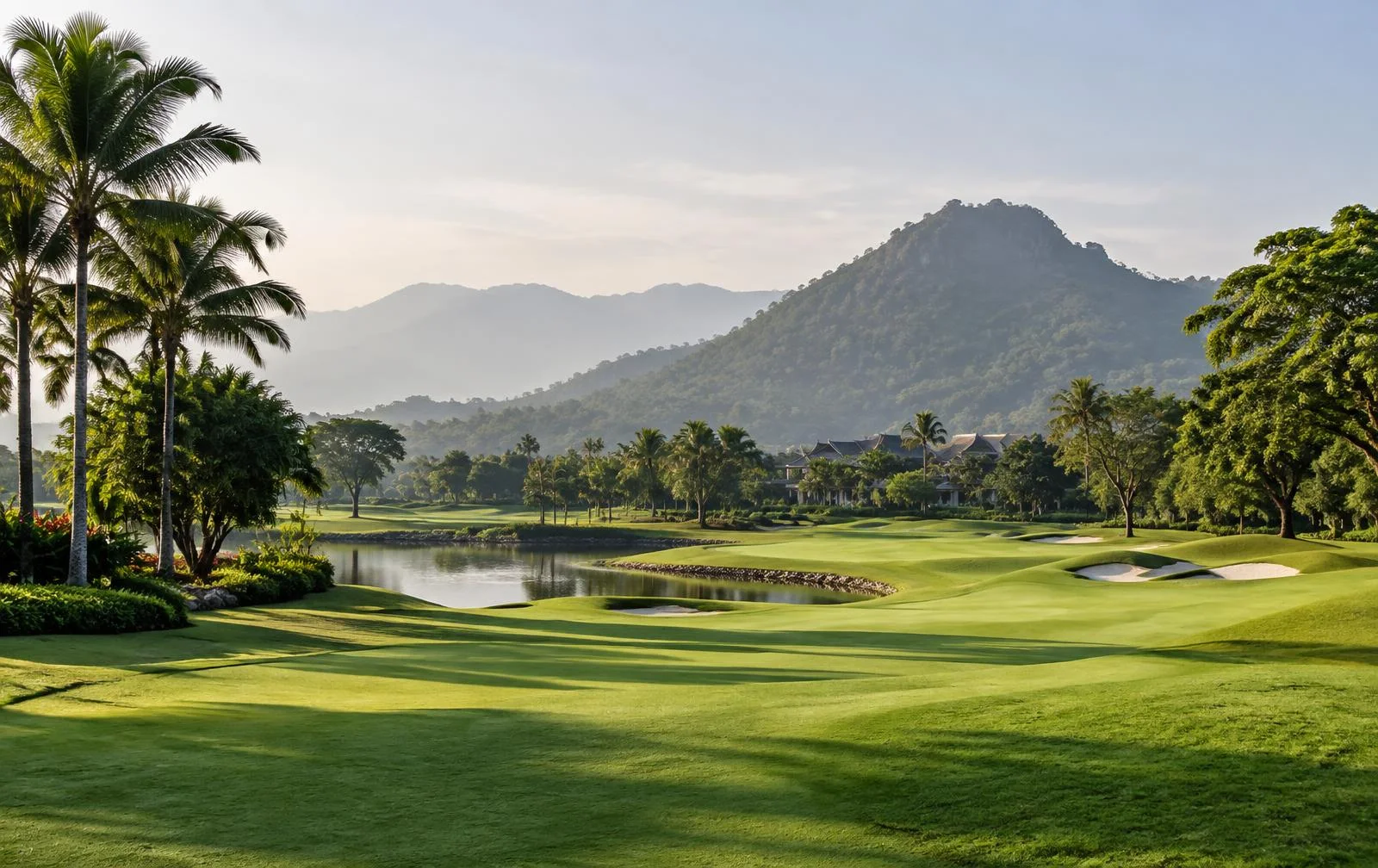
Recreational amenities reflect this unhurried focus. The area is home to nine established golf courses, with additional facilities developed across the surrounding terrain. Dining options range from casual beachfront venues to a rich selection of international and regional restaurants. Because these services cater to permanent residents alongside visitors, they function steadily throughout the calendar year rather than swelling and collapsing with seasonal travel cycles.
Community Composition and Everyday Rhythm
The character of any destination is ultimately shaped by the people who occupy it. Hua Hin is home to a substantial foreign community and long-standing Thai residents who favor an understated, settled environment over transient nightlife districts.
This community composition directly influences the local atmosphere. Public spaces, beachfront paths, and civic centers maintain a calm, orderly rhythm. The area benefits from good year-round weather, which encourages an outdoor lifestyle centered around morning walks along the sand, open-air dining, and sporting activities. Because the town does not rely primarily on short-stay package tourism, neighborhoods retain their quiet residential privacy even during peak travel periods. The coexistence of an established expatriate population and local multi-generational households creates a stable, mature social fabric that is both welcoming and inherently peaceful.
Architectural Responses to Coastal Calm
The desire for space and privacy has also guided residential design across the Hua Hin district. Rather than building high-density, multi-unit towers directly against the sand, low-rise residential enclaves have developed inland and along the gently sloping landscape behind the coast. These settings allow residences to capture views, sea air, and surrounding greenery while maintaining an insulating distance from public thoroughfares.
In this environment, residential architecture emphasizes clear horizontal planes, protected courtyards, and open-plan layouts that support a seamless indoor-outdoor transition. The relative abundance of space compared to island destinations permits detached homes with private plots, dedicated gardens, and low boundary walls. For property buyers, this creates an opportunity to acquire substantial personal space without the structural constraints found in compact urban centers.
A Considered Setting for The Vista Hua Hin
This balance of coastal access, complete infrastructure, and quiet residential scale forms the backdrop for The Vista Hua Hin. Designed as a licensed residential development of 12 private residences, the project aligns with the town's tradition of low-density living. Featuring single-storey V Series and two-storey X Series residences, each held under full Chanote title, the community provides a private, structured retreat within easy reach of the open Gulf coast.
Exclusive Private Residences
A private collection of architecturally distinctive residences in Hua Hin.
Explore the collection