Hua Hin · 21 July 2026
Golf in Hua Hin: The Courses That Built the Town's Reputation
Recognized as the birthplace of Thai golfing, Hua Hin possesses a sporting landscape defined by rolling topography, coastal air, and considered course architecture. Across several generations, these grounds have helped shape the town's distinctive rhythm of life.
The Origins of Golf in Hua Hin
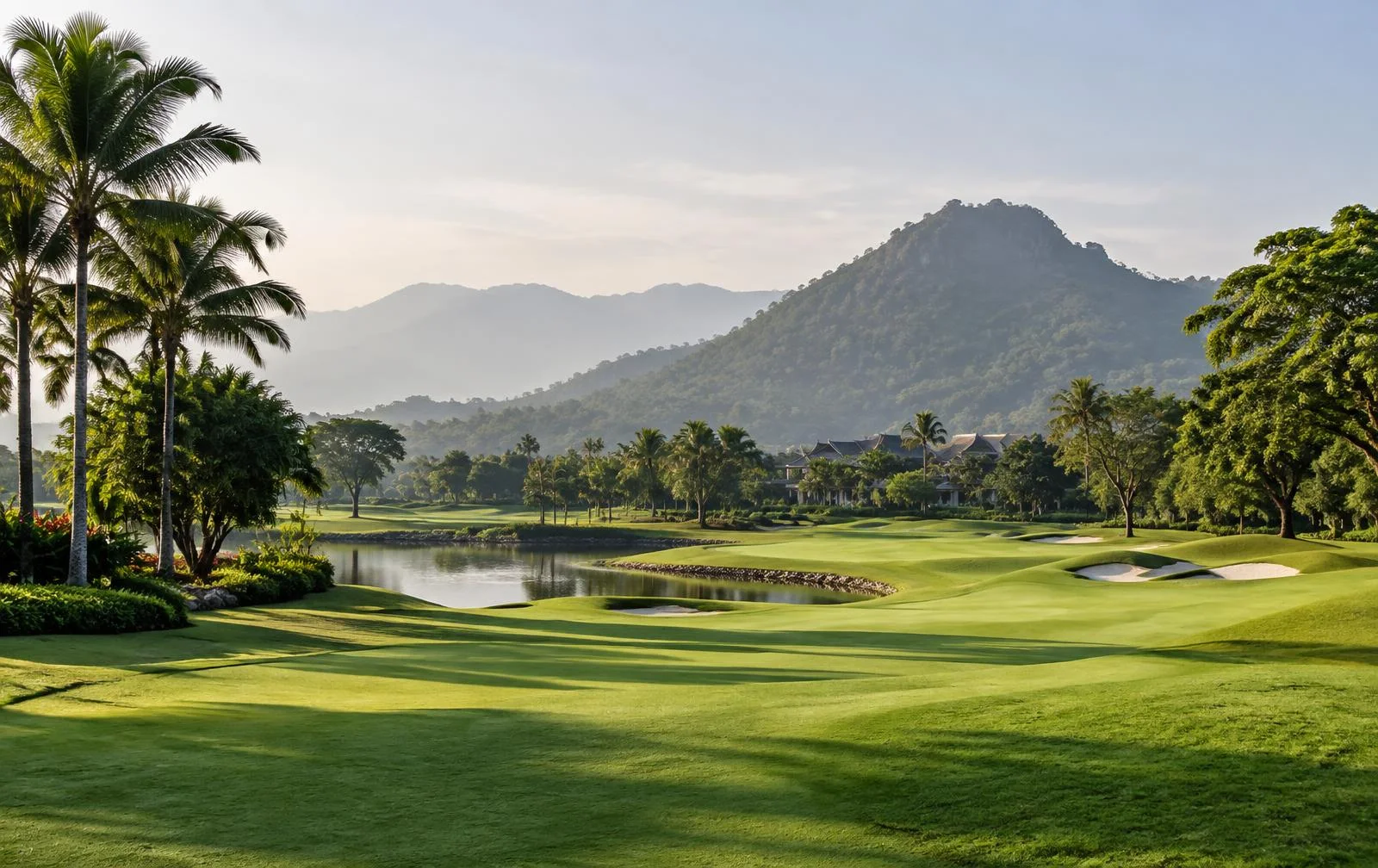
Hua Hin occupies a foundational position in the history of golf in Thailand. Widely recognized as the birthplace of Thai golfing, the town developed its relationship with the sport alongside its rise as a coastal retreat. The natural attributes of the area—broad elevation shifts, breezes sweeping inward from the Gulf of Thailand, and a backdrop of rugged hills—offered ideal foundations for green corridors and challenging fairways.
Over the decades, Hua Hin expanded this sporting heritage. Rather than remaining a regional pastime, the town evolved into an internationally recognized golf destination. The varied terrain, stretching from the rail-adjacent plains near the town center to the undulating valleys further inland, provided distinct opportunities for course architects seeking to blend traditional sporting layouts with native tropical topography.
Royal Hua Hin Golf Course
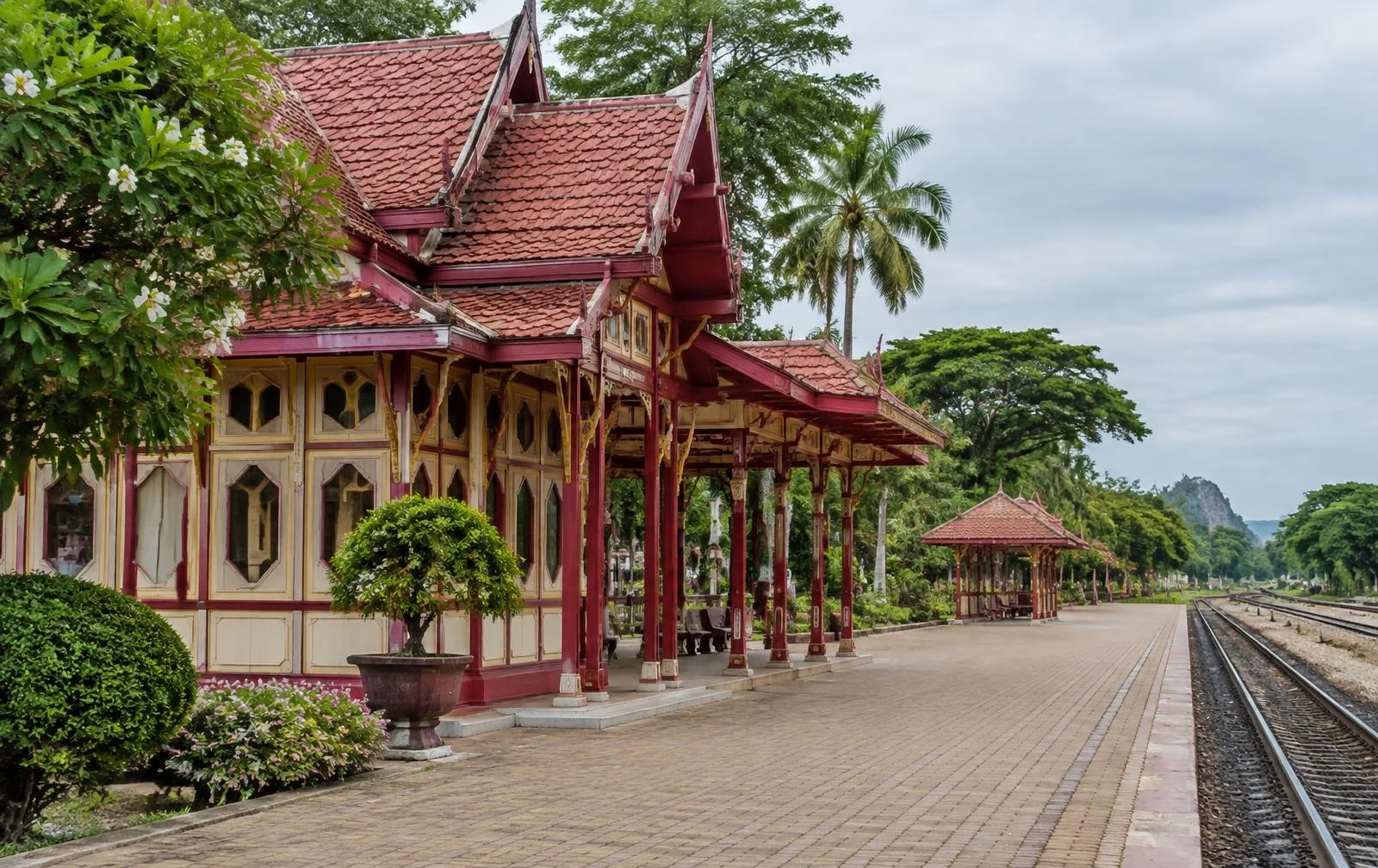
Central to the heritage of the sport is Royal Hua Hin Golf Course. As a defining landmark in the town's early sporting identity, it established Hua Hin as a gathering point for players drawn to the natural coastal environment. The presence of mature trees, subtle contours, and historic proximity to the town’s rail infrastructure gave the course an enduring character.
The historical importance of Royal Hua Hin anchored the town’s leisure culture. It demonstrated how land in the district could be adapted into world-class sporting grounds while maintaining harmony with surrounding native vegetation. This balance set a precedent for later developments across the district, ensuring that subsequent courses respected the contours and character of the regional geography.
Pineapple Valley Golf Club: Integrating Natural Terrain
As Hua Hin expanded inland, course designers looked toward the agricultural valleys west of the coast. Established in 2009, Pineapple Valley Golf Club represents a refined evolution in Thai golf architecture. Built across land previously cultivated for pineapple fields, the course was thoughtfully designed by Thailand's premier golf course architect, Pirapon Namatra.
Namatra’s design philosophy at Pineapple Valley prioritized the existing landforms. Rather than reshaping the land through heavy earthmoving, the routing follows the natural rises, swales, and ravines of the original terrain. The fairways move through the valley, offering strategic lines of play framed by indigenous trees and panoramic views across the hills. The integration of native grasses and retained agricultural boundaries preserves a quiet sense of place.
Beyond the playing corridors, the club facilities, including The Terrace Restaurant, are situated to observe the surrounding topography. The architecture of the club reflects a low-slung, contextual approach, allowing the broad expanse of the valley to remain the central visual element.
Black Mountain Golf Club: Scale and Precision
Further north, Black Mountain Golf Club represents another tier of Hua Hin's golfing landscape. Set against dramatic rock formations that give the site its name, the facility offers 27 holes of championship golf. The property is designed on a monumental scale, utilizing steep valley contours, native granite outcroppings, and expansive water bodies.
The 27-hole layout challenges players with significant changes in elevation. The routing requires precision through valleys and across water hazards, balanced by expansive fairways cut against dark, weathered stone ridges. Black Mountain established Hua Hin as a venue capable of supporting large-scale international competitive play while providing an open, impeccably maintained green expanse for daily club life.
Landscape, Architecture, and Hua Hin's Leisure Identity
The collection of courses in Hua Hin—ranging from historic seaside parklands to modern hillside fairways—has profoundly influenced the wider architectural and spatial character of the region. Golf courses here function as extensive ecological buffers, preserving vast tracts of green space, mature flora, and natural drainage corridors.
This network of fairways shapes how residents and visitors interact with the area. The daily schedule in Hua Hin often aligns with early tee times, quiet afternoons, and long vistas across manicured turf framed by mountain ridges. The discipline of course architecture—defined by proportion, perspective, and respect for natural contours—mirrors the broader design sensibilities that define the quietest residential enclaves in the district.
A Complementary Residential Rhythm
For those who spend time in Hua Hin, proximity to these historic and championship fairways shapes a measured way of living. The Vista Hua Hin reflects this same appreciation for spatial balance and low-density planning. Developed by Dreamvista Development Co., Ltd. as a licensed residential development, this boutique collection of 12 private residences is offered under full Chanote title, with payments structured around construction milestones. Comprising single-storey V Series residences and two-storey X Series homes featuring a private lift and rooftop terrace, the fully furnished residences, available from THB 12.9M, provide a calm home base within reach of the courses that established the town’s sporting pedigree.
Exclusive Private Residences
A private collection of architecturally distinctive residences in Hua Hin.
Explore the collection