Property · 14 July 2026
Buying Off-Plan Property in Thailand: Payments and Building Checks
Buying off-plan means committing to a property before it is finished. A clear contract, payments linked to verified construction progress and independent checks can help limit the risks, but they do not remove them.
Link payments to completed work
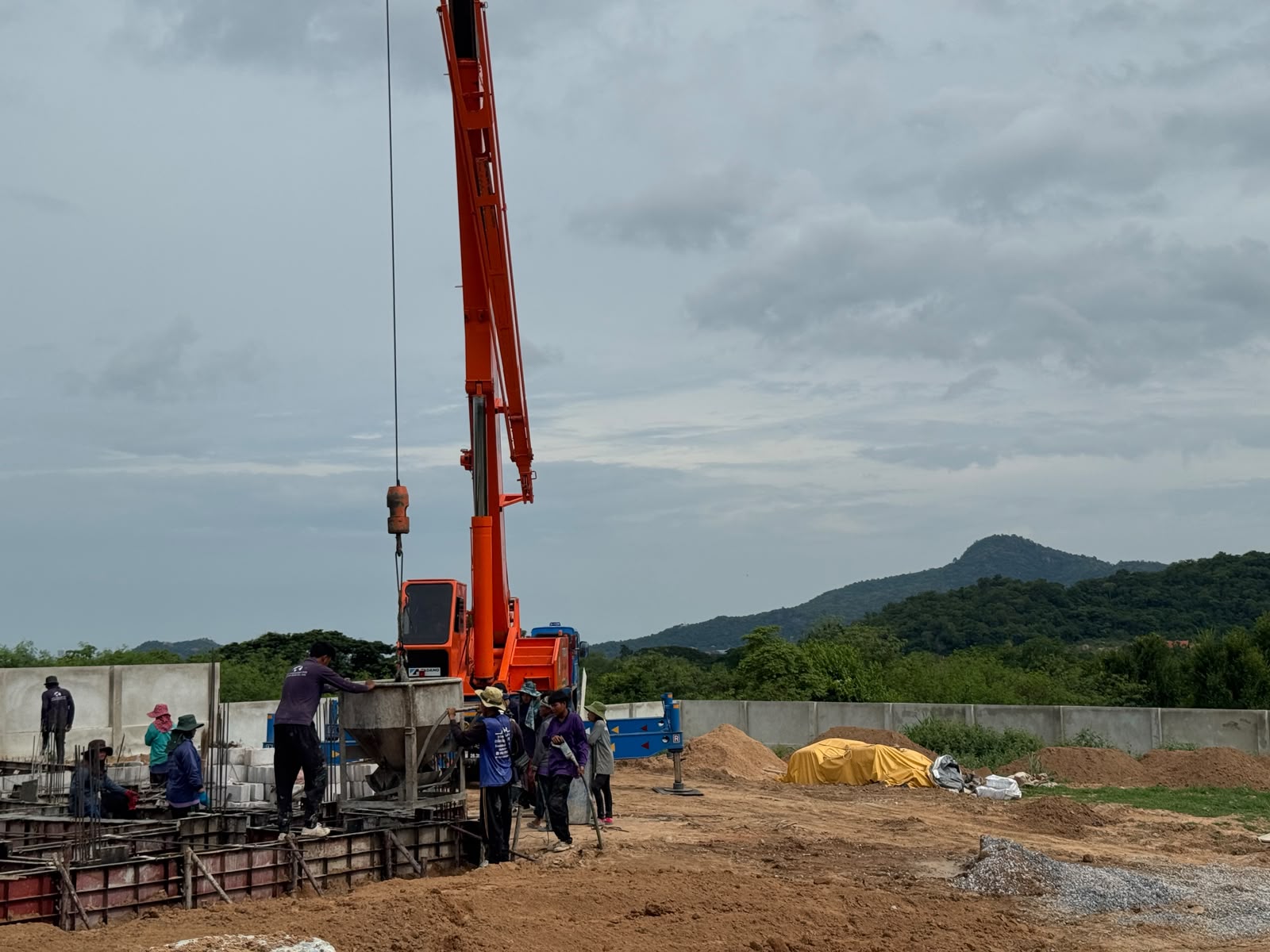
Off-plan purchases in Thailand often involve staged payments rather than a single payment upfront. The terms vary by development, so check what triggers each instalment rather than relying on a headline percentage split.
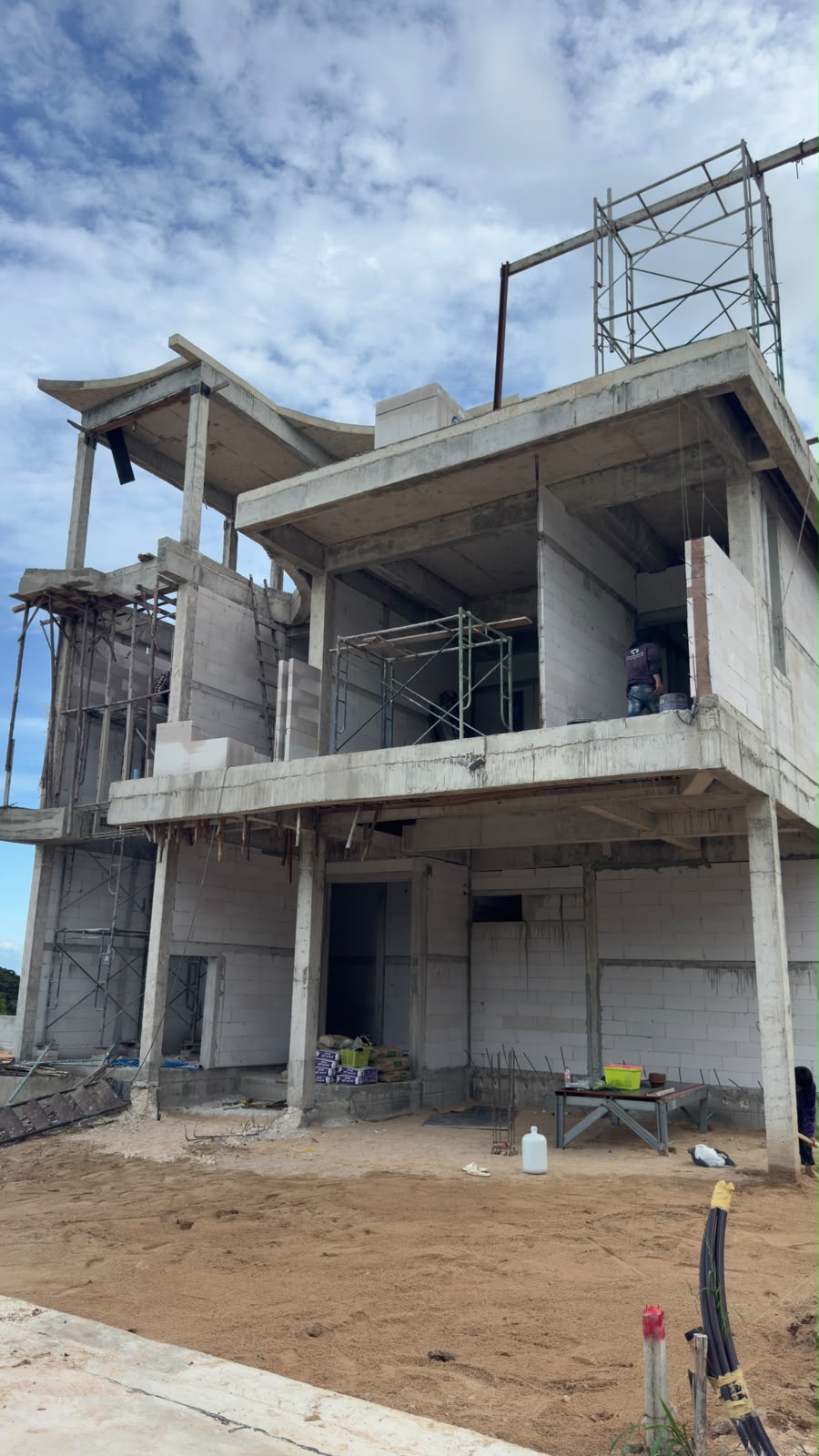
A construction-linked schedule should define the work required at each stage, such as foundations, structural framing, roofing and finishes. Calendar-based payments can leave buyers paying ahead of progress if construction slows or stops.
The contract should explain who confirms that a stage is complete, what documents support that decision and when payment becomes due. Avoid vague milestones that leave room for disagreement over how much work has been done.
Arrange independent construction checks
Look for contract provisions allowing an independent engineer or suitably qualified inspector to check the work before stage payments fall due. Their assessment should cover the relevant work against the agreed drawings and specifications, not simply confirm that construction has advanced.
Do not assume independent certification is included in the developer’s payment process. Establish who appoints the inspector, what they inspect and how any defects or incomplete work affect payment.
If an escrow arrangement is offered, have its terms reviewed. The protection it provides depends on who holds the funds and the conditions for releasing them; it should not be treated as a standard feature of every off-plan purchase.
Put specifications in the contract
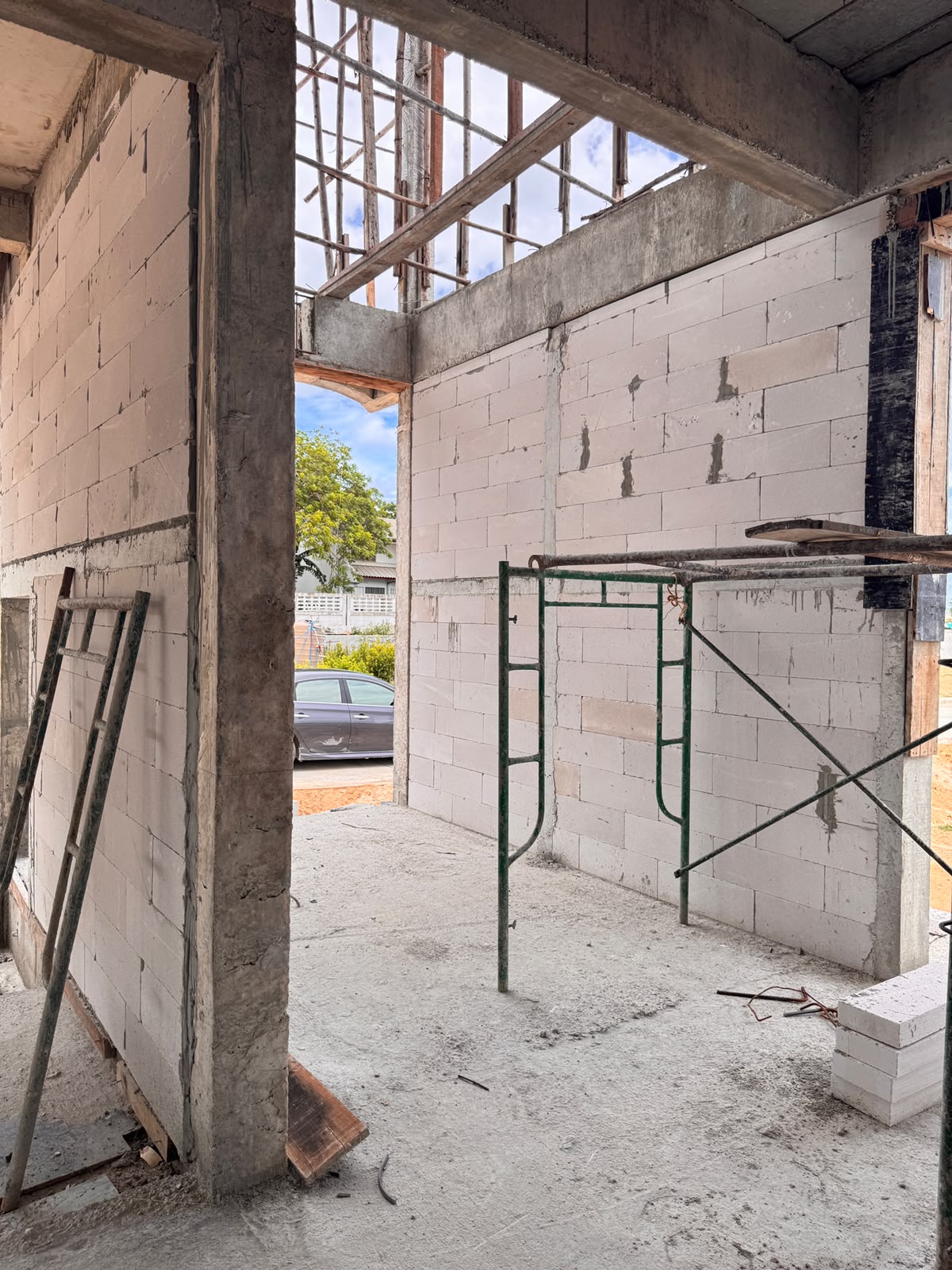
The drawings, building specifications and schedule of finishes should form part of the sale and purchase agreement. These documents give buyers a basis for checking what is built and delivered.
They should identify:
- Structural materials and the standards they must meet.
- Brands, models or technical specifications for glazing, electrical fittings and plumbing.
- The scope and finish of cabinetry, joinery and surfaces.
- Any allowances, permitted substitutions and the process for approving changes.
Terms such as “equivalent quality” need enough detail to be meaningful. Clarifying substitutions before signing can help prevent disputes over materials at handover.
Check title, permits and delay terms
Have an independent Thai property lawyer check the land title, ownership, any registered encumbrances and the approvals required for the proposed development before paying a construction deposit. A Chanote title is an important document to verify, but it does not by itself establish that a project has all necessary permissions or that the proposed purchase structure is suitable for the buyer.
The contract should set out a completion deadline and explain what happens if the developer misses it. Review any delay compensation, permitted extensions and force majeure clauses carefully. Do not assume a particular daily penalty is standard or automatically enforceable.
Handover terms should also make clear how completion is assessed and how defects or unfinished work are recorded and addressed. The final payment trigger deserves the same scrutiny as earlier construction milestones.
This is general information, not legal advice. Ask an independent Thai property lawyer to review the title, approvals and contract for the specific purchase.
Checks for buyers at The Vista Hua Hin
The Vista Hua Hin comprises 12 private residences, with single-storey V Series homes and two-storey X Series homes. The X Series includes a private lift and rooftop terrace.
The development describes its homes as fully furnished, its land as Chanote-titled and its payments as linked to construction milestones. Buyers should confirm these details in the title documents, approvals and individual sale agreement. In particular, check the furnishing schedule, the work required at each payment stage and the arrangements for independent inspection rather than relying on the project description alone.
The Vista Hua Hin
Understand the development
Explore the residences, current project information and the full Chanote land title basis of The Vista Hua Hin.
Discover The Vista Hua HinStay updated
New stories from Hua Hin.
Receive new Journal articles, local insights and occasional updates from The Vista Hua Hin.