Living · 20 October 2026
Hua Hin vs Thailand’s Top Destinations: Bangkok, Chiang Mai, Pattaya, Phuket and Koh Samui
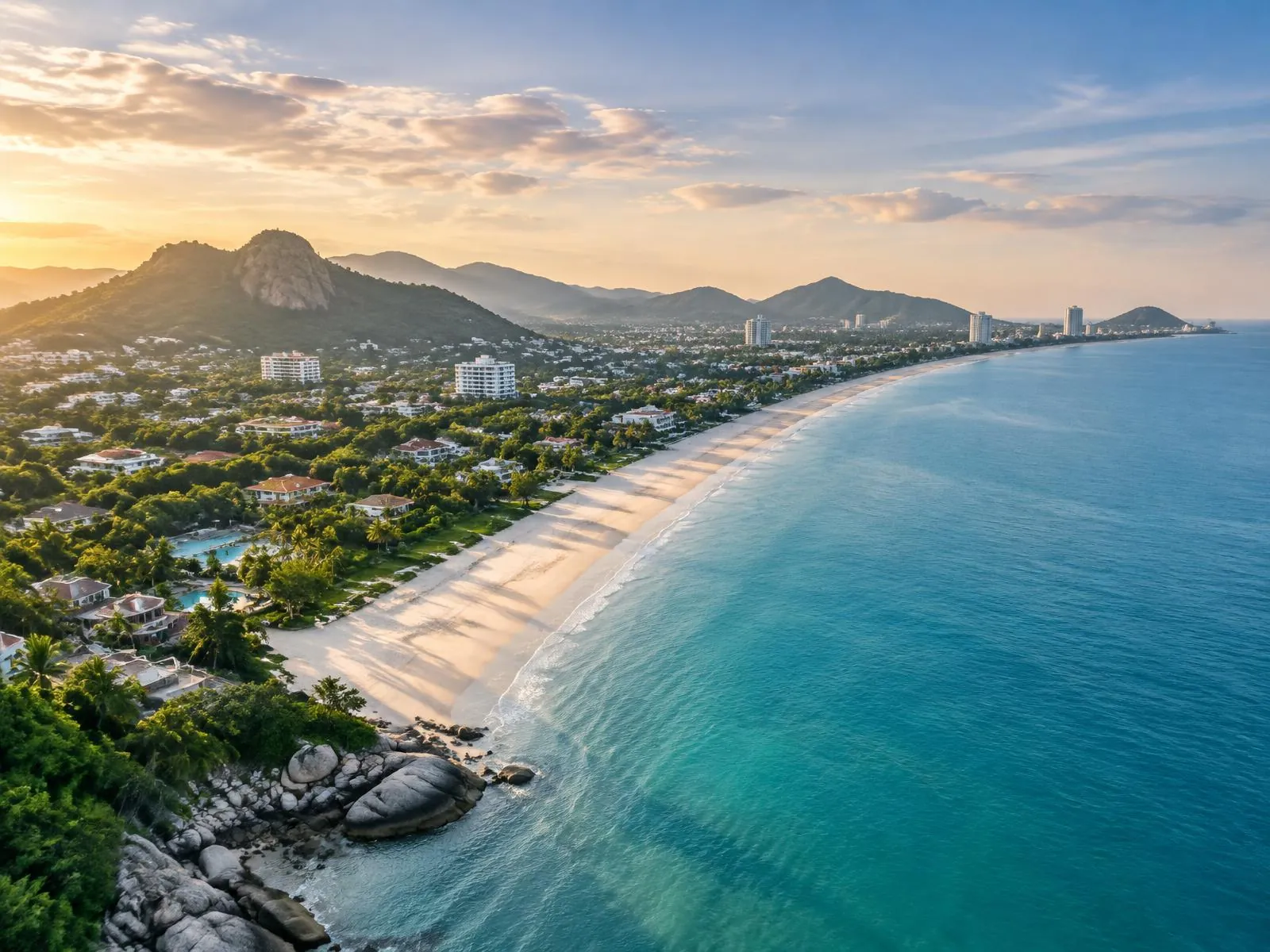
Thailand offers several very different versions of a good life. A city apartment, an island house, a busy beach resort and a quieter coastal city may all look appealing in photographs. Living in them, though, is shaped less by the view than by the routines around it: how easily you travel, what you do on an ordinary Tuesday, and how much activity you want at your doorstep.
Introduction
Hua Hin, Bangkok, Chiang Mai, Pattaya, Phuket and Koh Samui each answer those questions differently. None is a universal winner. The better question is which place gives you the kind of everyday life you actually want.
Hua Hin: an established coastal city with Bangkok within reach
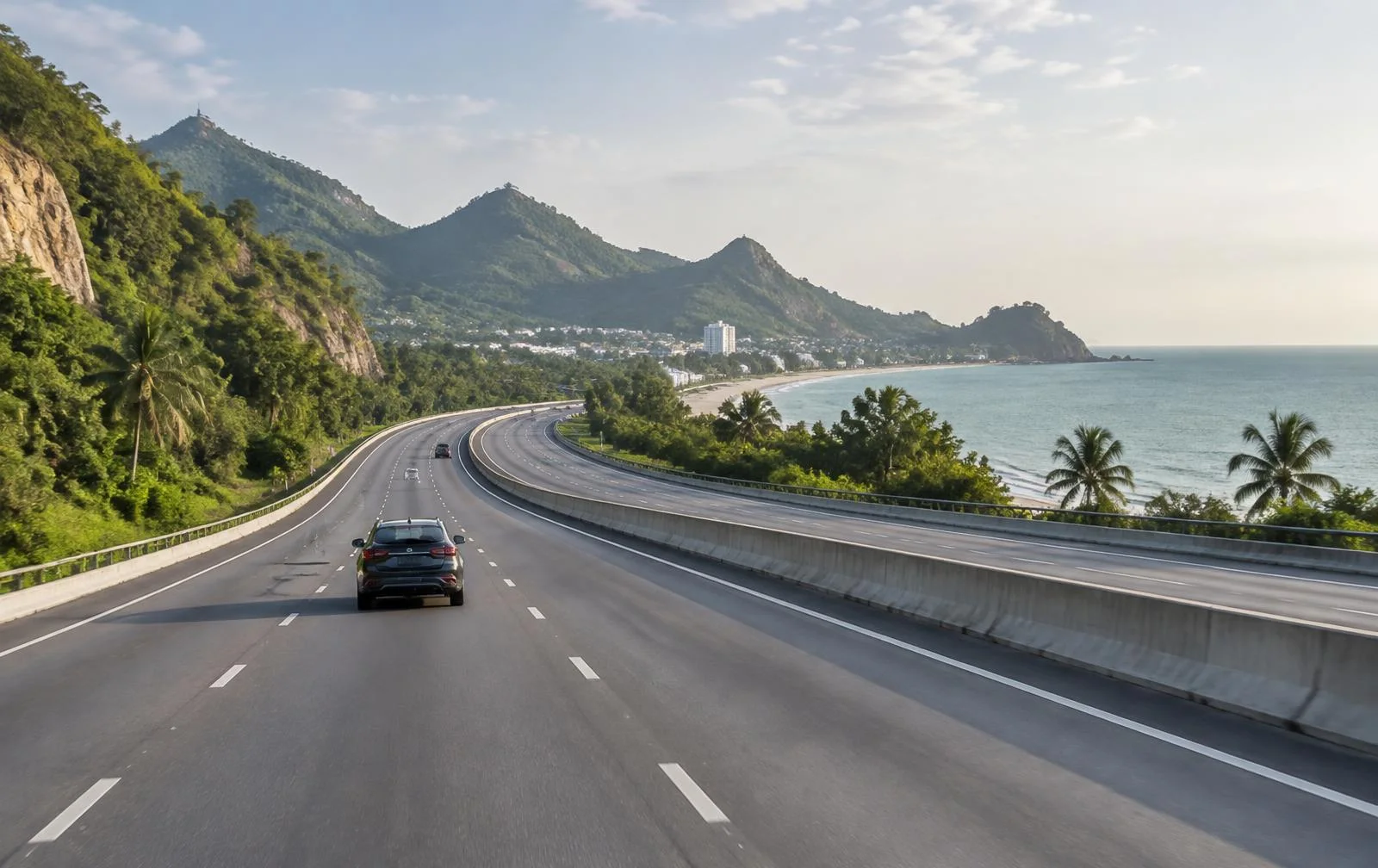
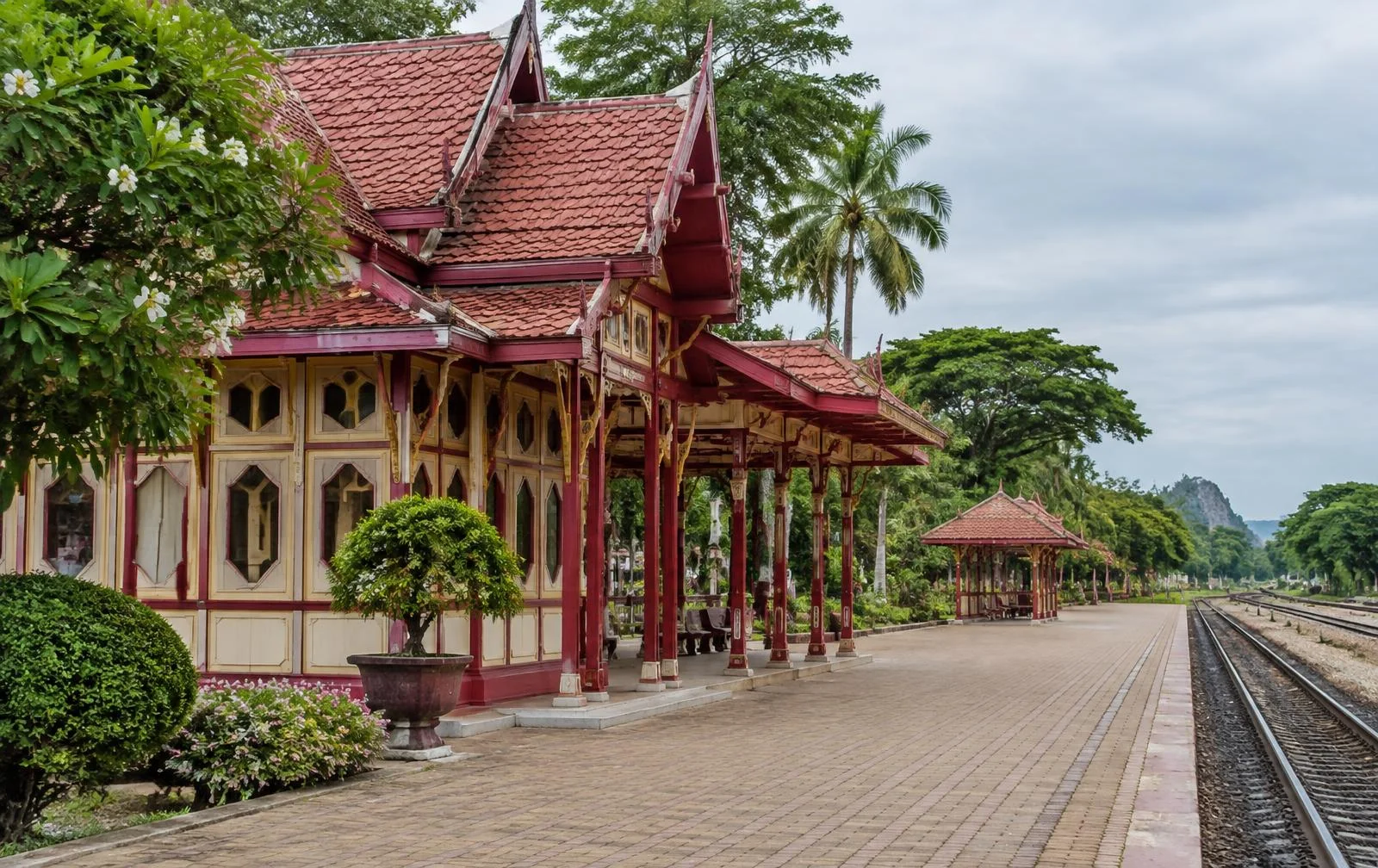
Hua Hin has a long history as a seaside resort and is known for its beach, golf and resort hotels. Its character sits between a large city and a remote island: there is an established city, a full range of everyday services and a coastal setting, while Bangkok remains reachable by road or rail. The drive can take several hours depending on traffic and where the journey begins, so “close to Bangkok” is relative—but it is a realistic connection for occasional trips, appointments or airport access.
That balance is Hua Hin’s main appeal. It can suit people who want the sea to be part of daily life without making island logistics part of every plan. It has cafés, markets, restaurants and leisure options, but the pace and scale are different from Bangkok or Phuket. The experience also varies by neighbourhood: a central address, a resort area and a hillside home will not feel the same.
Hua Hin has a more measured urban scale than Bangkok, while offering the everyday services and amenities of an established coastal city. It does not have the metropolitan range of the capital or the island separation of Samui and Phuket. For many people, that balance is the attraction: the coast is part of daily life, with the wider region still within reach.
Koh Samui: island life, with island logistics
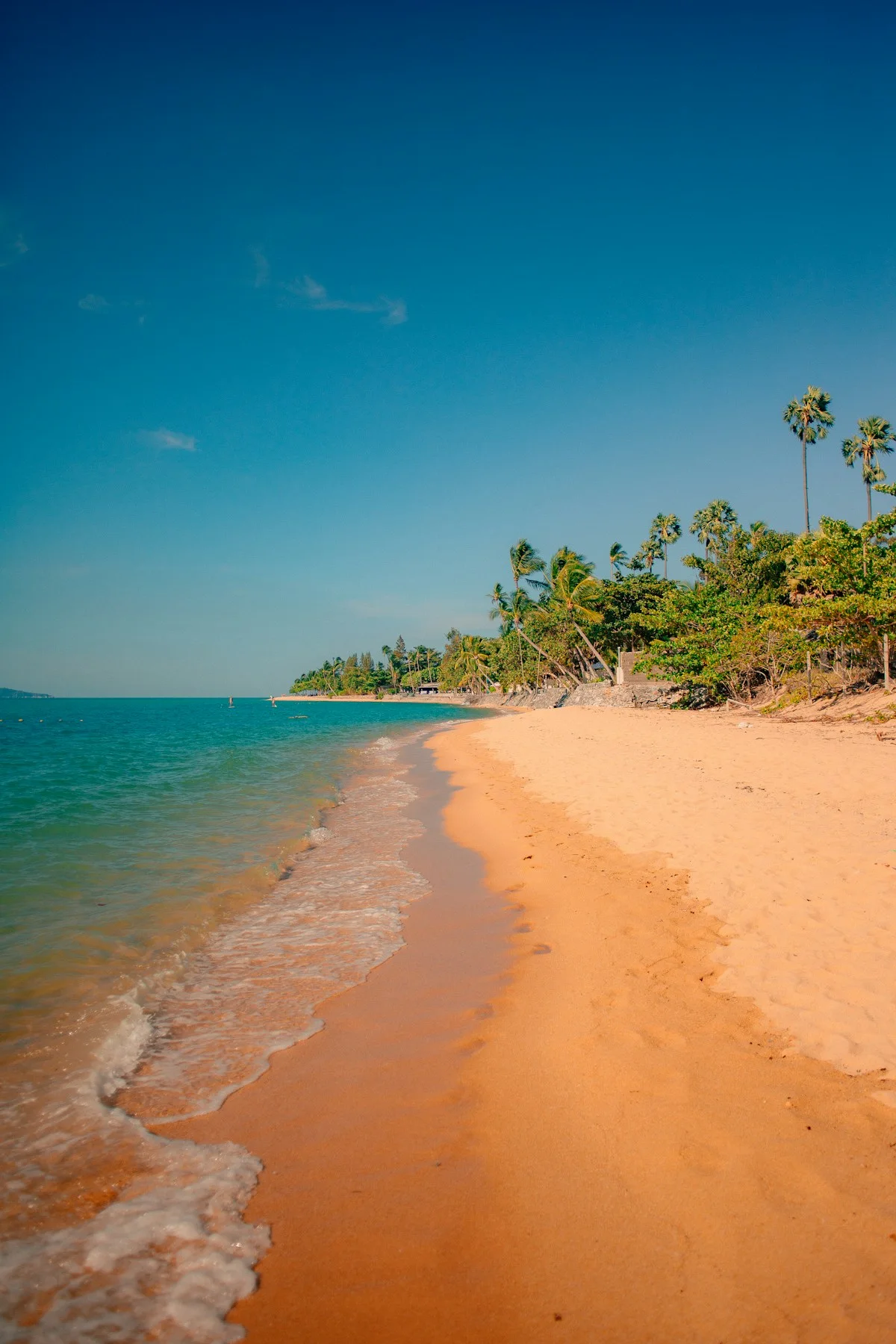
Koh Samui offers the clearest shift in rhythm. Beaches, coves, viewpoints and tropical landscapes are part of the island’s identity, and its airport gives it direct air access. Ferries also connect Samui with the mainland and nearby islands. These links make the island accessible, but they do not remove the practical difference between living on an island and living on the mainland: trips may need more planning, and the range of services can depend on where you are and what you need.
Samui is not simply a castaway retreat. It has established visitor infrastructure and busy areas alongside quieter stretches, so daily life depends heavily on location and season. Its strongest draw is the feeling of being somewhere distinct—surrounded by the Gulf of Thailand, with a more self-contained island routine.
That distinction can be restorative, or it can feel limiting. Ask yourself whether you want a holiday atmosphere to become your normal setting, and how often you expect to travel off the island. For someone who values a strong sense of escape, Samui may be the most compelling choice. For someone who wants frequent mainland access, the convenience calculation may look different.
Pattaya: the most accessible resort city
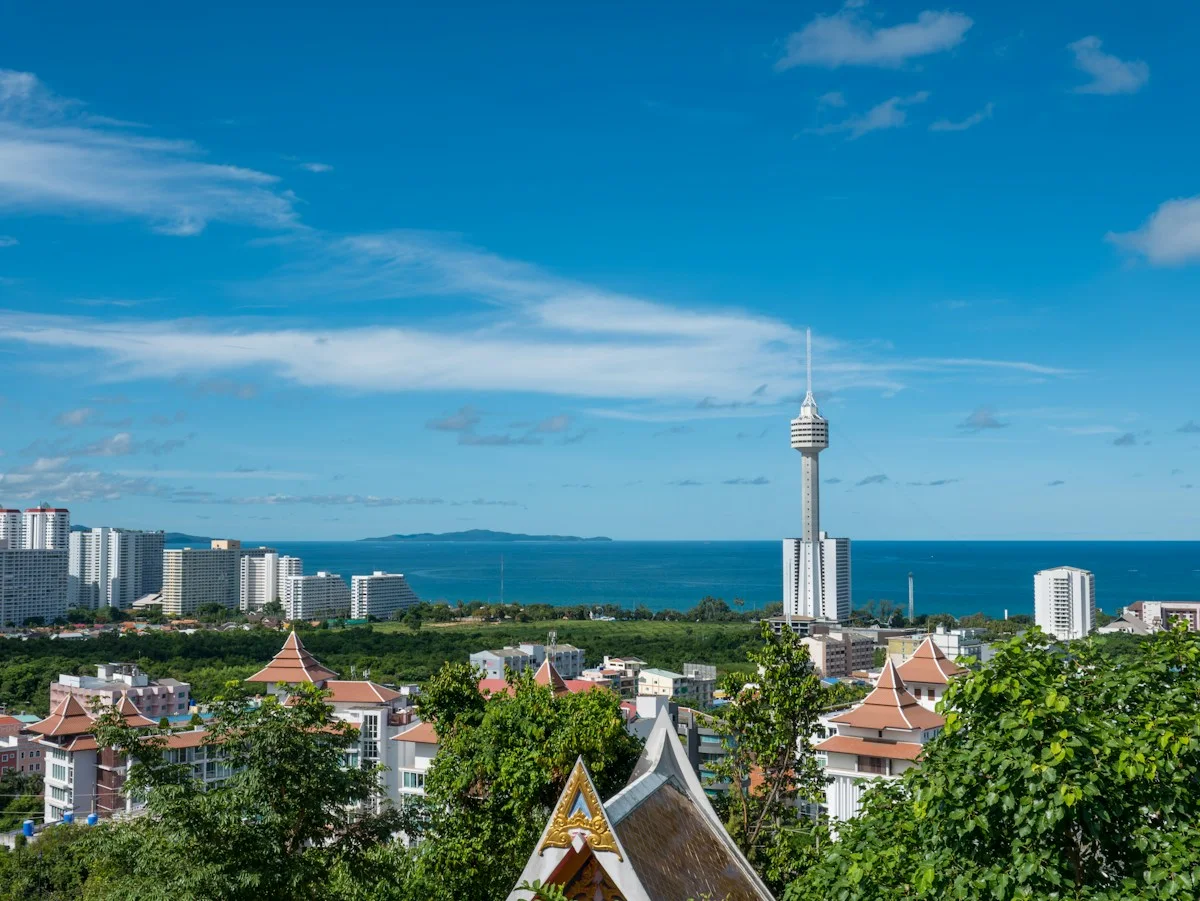
Pattaya is about 150 kilometres southeast of Bangkok, and the Tourism Authority of Thailand describes it as roughly a two-hour drive. That proximity has helped make it a familiar weekend destination for Bangkok residents. It combines a beach-resort setting with a busy urban environment, a broad range of accommodation and entertainment, and easy access to the capital compared with the southern islands.
Pattaya’s reputation has often been shaped by its nightlife, but the city is more varied than one image suggests. Jomtien, North Pattaya and nearby communities each have a different feel, and the wider area includes family attractions, shopping, dining and quieter coastal options. Still, Pattaya is an energetic, highly developed destination. The beach is part of a city experience rather than a secluded island backdrop.
Choose Pattaya if convenience, activity and access to Bangkok matter more than quiet. Consider the exact neighbourhood carefully: the city’s contrasts are a feature for some people and a drawback for others.
Phuket: the widest range of island experiences
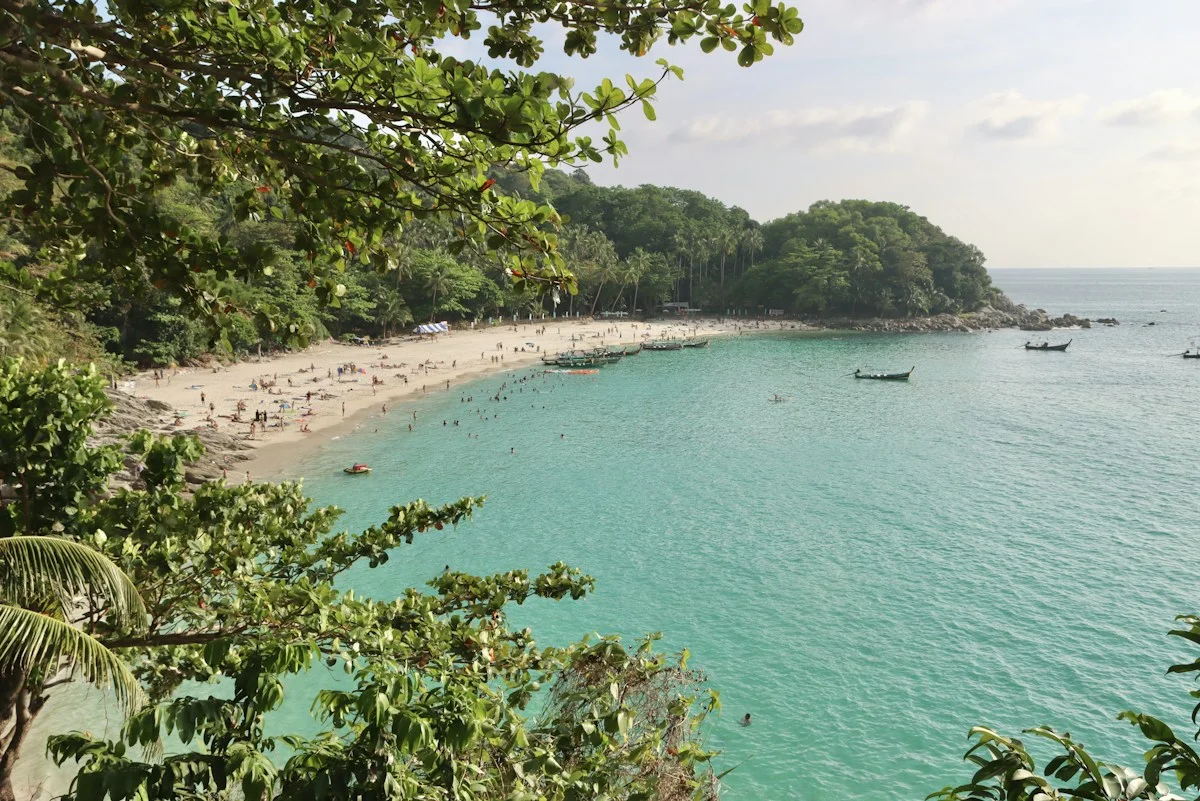
Phuket is Thailand’s largest island and a province on the Andaman Sea. Its size matters. It contains well-known beach districts, quieter northern areas, Phuket Old Town and a large tourism economy, as well as an international airport. Rather than one resort strip, Phuket is a collection of different local environments connected by road.
That scale gives residents and visitors more choice: beaches, dining, shopping, healthcare and activities vary across the island. It also means that “living in Phuket” is not a complete description. A home in a busy beach district can feel very different from one in the north or near Phuket Town. Travel time across the island can become a real part of the weekly routine, especially when traffic is heavy.
Phuket suits people who want island scenery with a broader choice of services and a more international visitor scene. The compromise is that popular areas can feel intensely touristic, while the island’s size can make everyday journeys longer than the map suggests.
Bangkok: the fullest version of urban Thailand
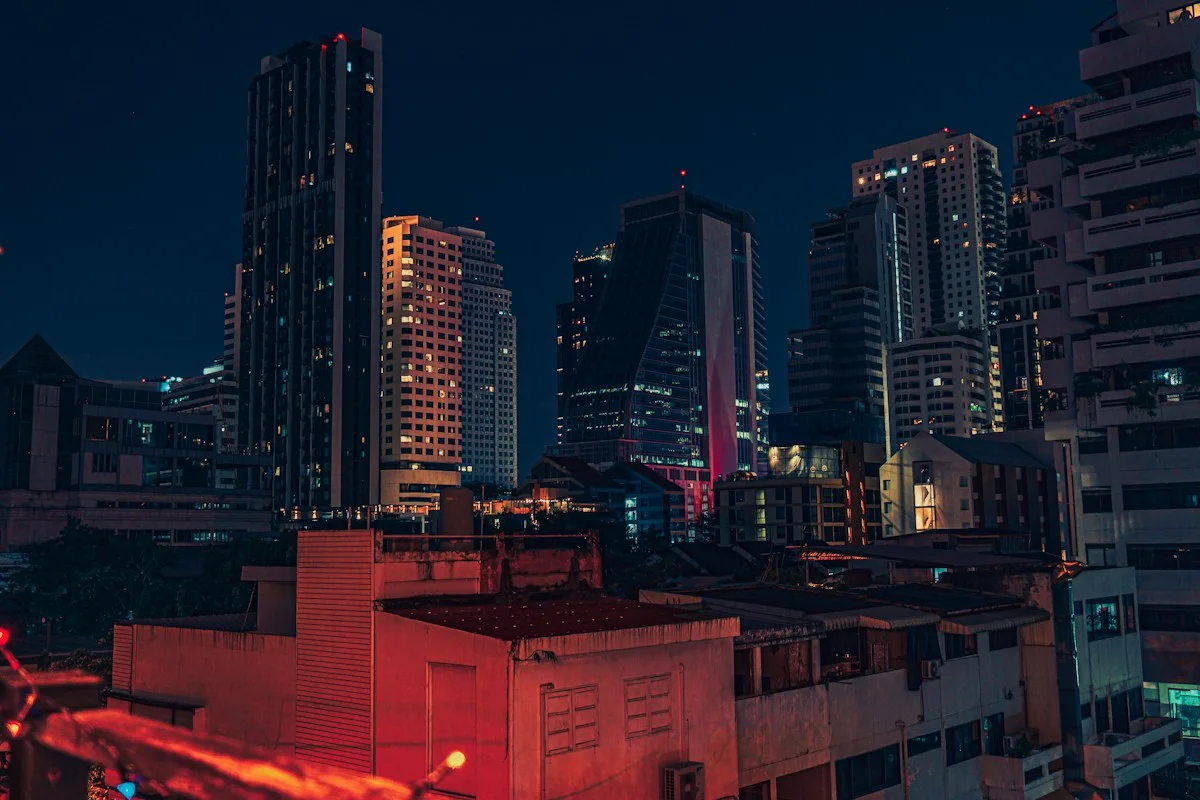
Bangkok offers the greatest concentration of work, culture, food, shopping, healthcare and international connections. It is the country’s most complete urban environment, with rapid transit lines including the BTS and MRT, alongside roads, buses, boats and rail links. The city can be navigated without a car in many areas, though traffic remains part of daily life and convenience depends greatly on living near the places and transit routes you use.
Bangkok is not a beach destination. Its attractions are the opposite: neighbourhoods with distinct identities, late opening hours, major hospitals and universities, cultural institutions, and an extraordinary range of everyday choices. You can find quiet pockets, but the city’s scale, heat and pace are difficult to ignore.
For people whose priorities are professional opportunity, services and constant choice, Bangkok is hard to match. For those who need open space, sea air or a slower routine, its strengths may come with a cost in energy and time.
Chiang Mai: a northern city with a seasonal air-quality trade-off
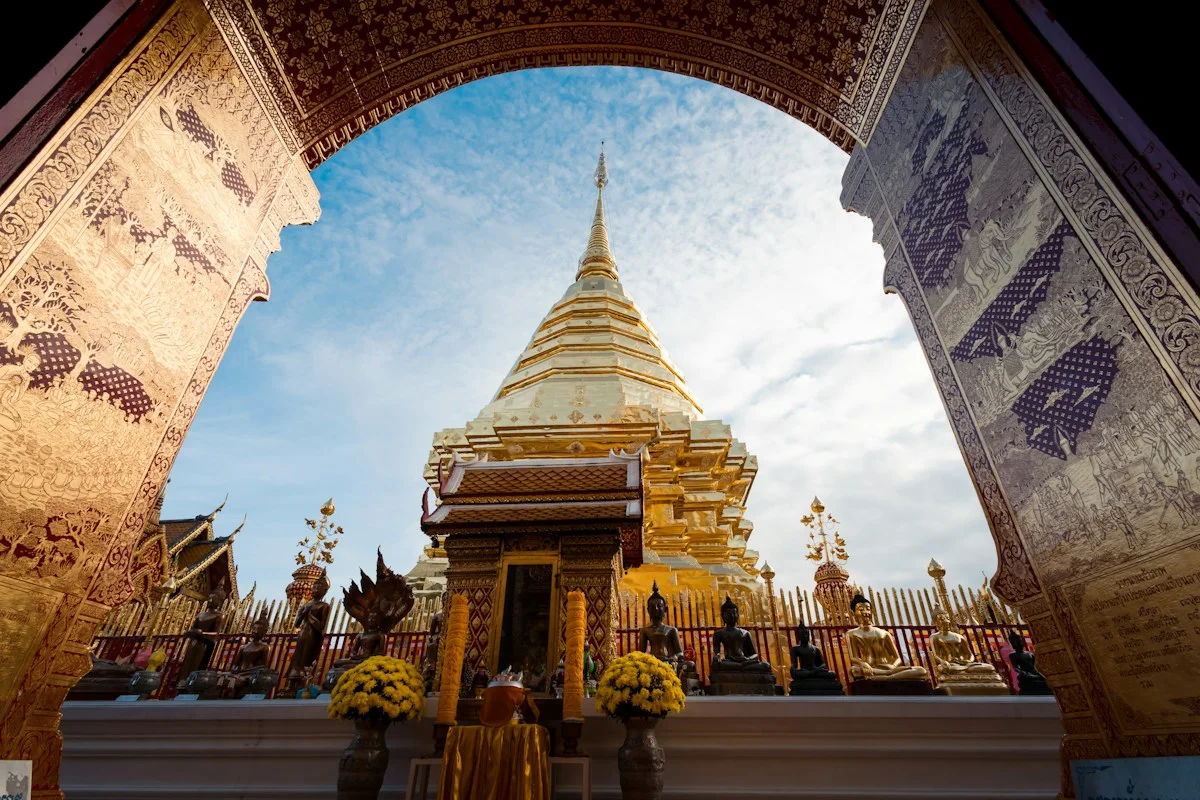
Chiang Mai offers a very different kind of setting: a historic northern city framed by mountains, with temples, markets, cafés and a strong food and arts scene. It combines urban services with access to outdoor landscapes, and its housing costs can be lower than those in the larger coastal destinations. For people who value culture, mountain scenery and a lively local community, it can be a compelling place to live.
The key consideration is seasonal air quality. Chiang Mai’s recurring burning-season haze is most pronounced toward the end of the dry season, commonly from February to April, although official seasonal controls can cover a wider period. If you plan to live there year-round, the smoky months are part of the practical comparison—not a footnote.
Indicative prices for villas in exclusive private developments
The ranges below give a broad guide to current asking prices for new or recently completed, fully furnished 3–5 bedroom villas with private pools in exclusive boutique or gated developments. The comparison focuses on professionally developed communities with controlled access, shared management or security and a consistent developer specification. Standalone villas have been excluded because they are not a like-for-like comparison.
| Destination | Indicative asking-price range |
|---|---|
| Hua Hin | ฿12.9–35.5 million |
| Chiang Mai | ฿16–60 million |
| Pattaya | ฿13–25 million |
| Phuket | ฿28–60 million |
| Koh Samui | ฿15–40 million |
| Bangkok | ฿55–125 million |
These are indicative asking-price bands drawn from comparable private developments checked in October 2026, not formal averages or valuations. Prices vary considerably according to the developer, neighbourhood, land and villa size, views, build quality, furnishing package, ownership structure and project facilities. Bangkok is also a less direct comparison because new private-pool villas in its most desirable residential areas are relatively scarce.
Within this comparison, The Vista Hua Hin starts from ฿12.9 million fully furnished. This places it at the entry point of Hua Hin’s premium private-development market and below comparable entry points in Chiang Mai, Phuket, Koh Samui and Bangkok. Buyers should still compare the complete specification, community infrastructure and ownership terms, and reconfirm price, inclusions and availability directly with each developer.
Air quality and seasonal conditions
Air quality varies throughout Thailand, but Chiang Mai faces a distinct seasonal challenge. Its annual burning season, typically most noticeable from February to April, can bring prolonged periods of smoke and poor air quality.
Hua Hin does not experience the same concentrated northern burning season. Air quality still changes with weather and local conditions, but its coastal setting generally offers a more comfortable environment for year-round living.
So, which one is right for you?
The comparison is not simply city versus beach. It is a question of what you want your ordinary life to contain.
- Choose Hua Hin if you want a coastal routine, the character and amenities of an established first-class city, and practical access to Bangkok.
- Choose Chiang Mai if you want a cultural northern city, mountain access and lower housing costs, and can plan around seasonal haze.
- Choose Koh Samui if island atmosphere and a strong sense of escape matter most, and you are comfortable planning around island connections.
- Choose Pattaya if you want an active resort city with relatively easy access to Bangkok.
- Choose Phuket if you want an island setting with a wide range of neighbourhoods, services and activities—and are prepared to choose your location carefully.
- Choose Bangkok if urban access, work, culture and convenience matter more than living by the sea.
A useful test is to imagine an ordinary week, not an ideal holiday. Where would you buy groceries? How often would you travel? Would you rather have the sea nearby, or be able to reach a wider range of services quickly? Do you want your home to feel like an escape, or to sit in the middle of things?
Hua Hin’s case is not that it offers the most of everything. It is that, for some people, it offers a thoughtful middle ground: a real coastal setting within an established, first-class city, and the capital within reach when needed. The right choice depends on whether that balance matches the life you want to build.
Discover The Vista Hua Hin
If Hua Hin feels like the right balance for you, discover The Vista Hua Hin: a collection of private hillside pool villas in central Hua Hin.
Sources
- Tourism Authority of Thailand, Hua Hin Beach and Prachuap Khiri Khan
- Tourism Authority of Thailand, Surat Thani and Koh Samui
- Tourism Authority of Thailand, Pattaya
- Tourism Authority of Thailand, Phuket
- Government of Thailand, Public transportation in Bangkok
- Indicative 3–5 bedroom price bands for exclusive private developments, checked 20 October 2026, using current developer and project listings including La Felice Hua Hin, De Classic Chiang Mai, Zensiri Lakeside Mabprachan, Serene Raya Phuket, Botanica Luxury Villas Phuket, a boutique Chaweng Noi development, and CINQUIÈME Krungthep Kreetha. Prices and availability can change, and projects differ in size, specification, location and ownership structure.
- IQAir, Chiang Mai air quality, for seasonal air-quality context.
- Chiang Mai seasonal open-burning controls, Chiang Mai provincial police notice.
The Vista Hua Hin
Stay updated
New stories from Hua Hin.
Receive new Discover Hua Hin articles, local insights and occasional updates from The Vista Hua Hin.