Behind the Build · 2 September 2026
How Quality Is Controlled on a Construction Site
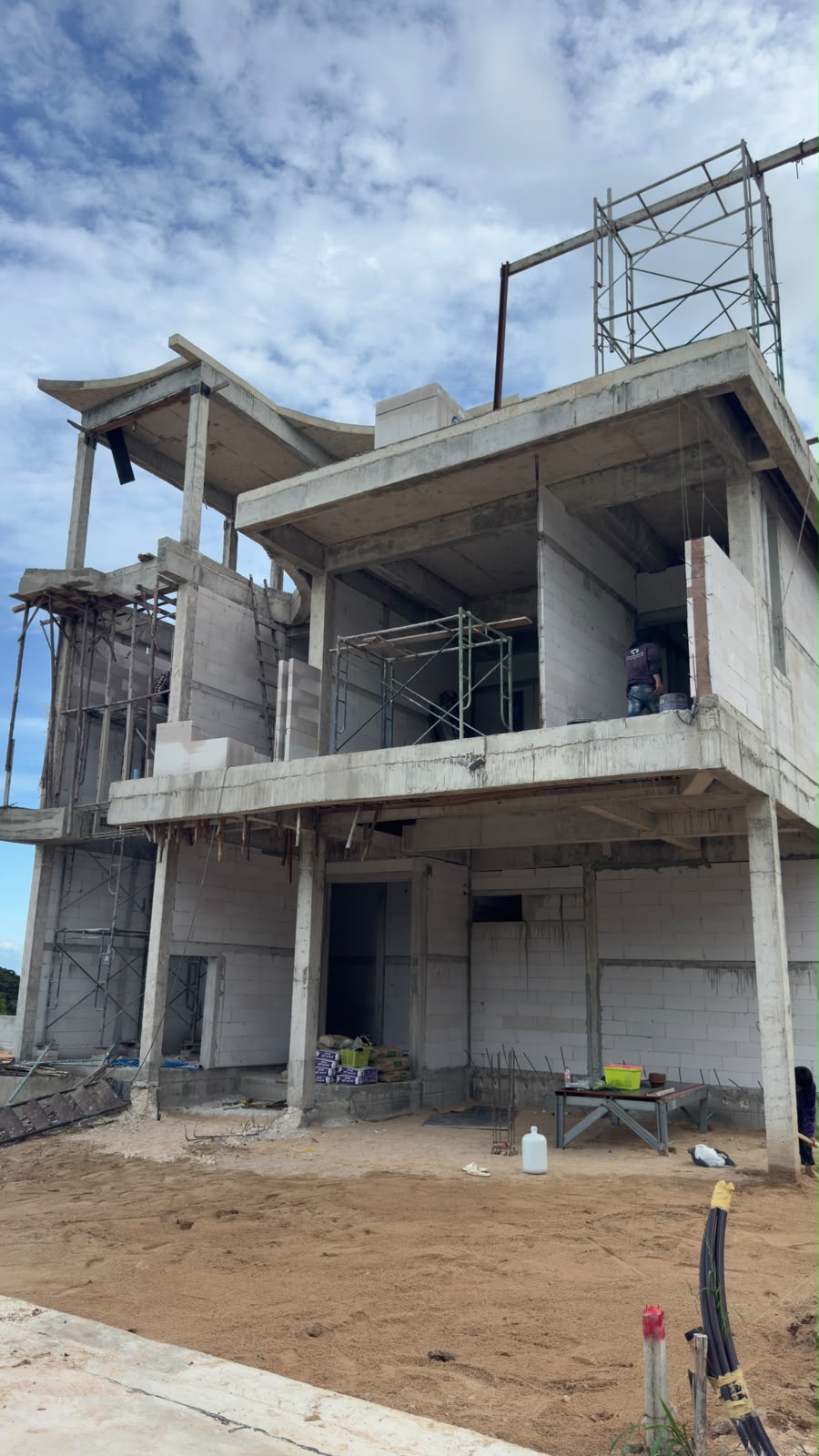
A well-built home is not the result of a single inspection before handover. Much of the work that determines its long-term quality has already been covered by the time the finishes are complete.
How Quality Is Controlled on a Construction Site
A finished home reveals very little about some of the work that matters most.
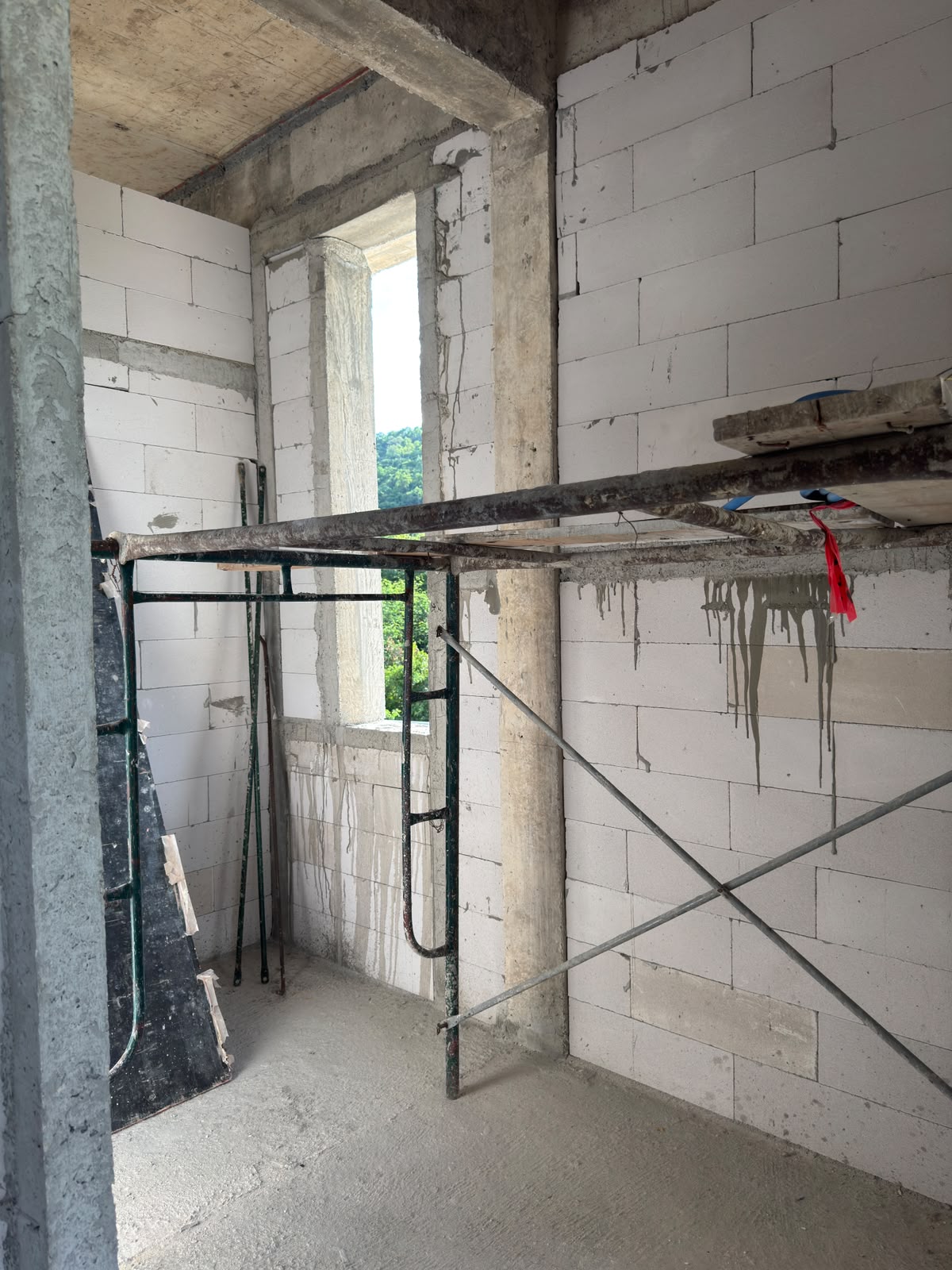
By the time the floors are laid, walls are painted and bathrooms are complete, much of the structure and building services have disappeared from view. Reinforcement is sealed inside concrete, waterproofing sits beneath tiles, and electrical and plumbing services are concealed within walls, floors and ceilings.
That is why construction quality cannot be judged by a final inspection alone. It has to be checked throughout the build, while the work is still visible and any problems can be corrected properly.
It starts before construction
Quality control begins with the information used to build the property.
Construction drawings, specifications, material approvals and technical details establish what is to be built and to what standard. On site, it is equally important that contractors and trades are working from the latest approved information.
Design changes during construction are not unusual. What matters is that those changes are documented, coordinated and communicated before the affected work proceeds.
A small discrepancy on a drawing can become a much larger problem once concrete has been poured or finishes have been installed.
Inspect before covering up
Some of the most important inspections happen long before a home begins to look finished.
Reinforcement can be checked before a concrete pour. Plumbing can be pressure-tested while pipework remains accessible. Waterproofing can be inspected and tested before tiles are laid. Electrical installations can be reviewed before walls and ceilings are closed.
These stages create natural inspection points throughout construction.
If something needs correcting, this is the time to do it. Once the next layer of work has been installed, accessing the same area may mean removing work that has already been completed.
Check what arrives on site
Specifying a material is one thing. Making sure the same material is actually delivered and installed is another.
Deliveries need to correspond with the approved specification, including the correct product, grade, dimensions, colour or finish where applicable.
Storage matters too. Materials can be damaged by moisture, sunlight, poor handling or unsuitable site conditions before they ever become part of the building.
On a residential project, this involves far more than the major structural materials. A completed villa contains hundreds of individual products and components, and consistency across them contributes significantly to the quality of the finished home.
Test what can be tested
Not every aspect of construction can be assessed visually.
Concrete, plumbing, electrical installations and waterproofing are examples of work where testing can provide information that appearance alone cannot.
The appropriate tests depend on the stage and type of work. They may include concrete testing, plumbing pressure tests, electrical tests and flood or waterproofing tests in wet areas.
Carrying out these checks during construction means performance can be assessed before the work becomes difficult to access.
The results also form part of the project record, creating a clearer history of what was checked and when.
Agree the finish before repeating it
Finishing quality becomes much easier to control when the expected result has already been established.
Samples and mock-ups allow materials, colours, junctions and construction details to be reviewed before they are repeated throughout a property.
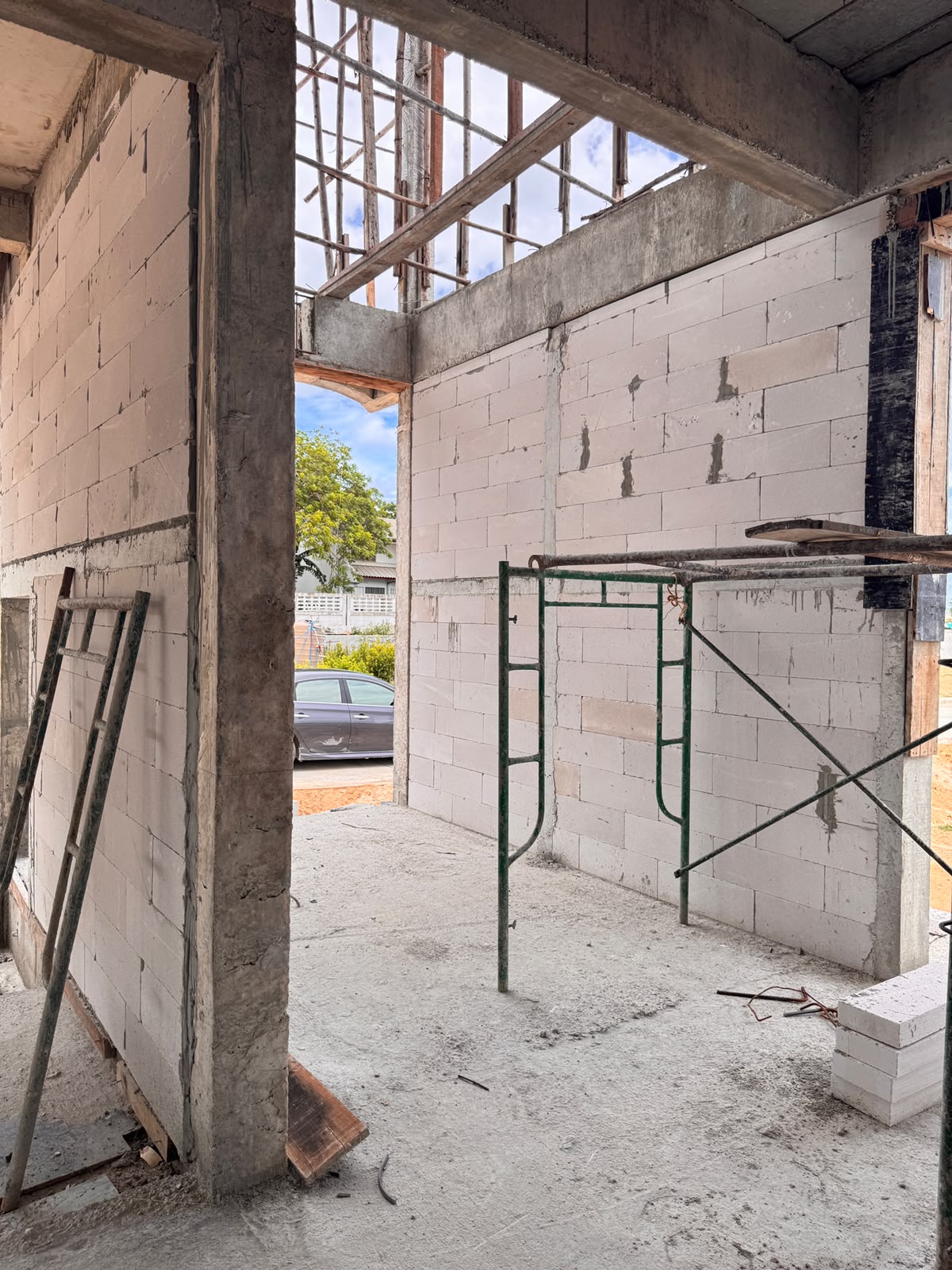
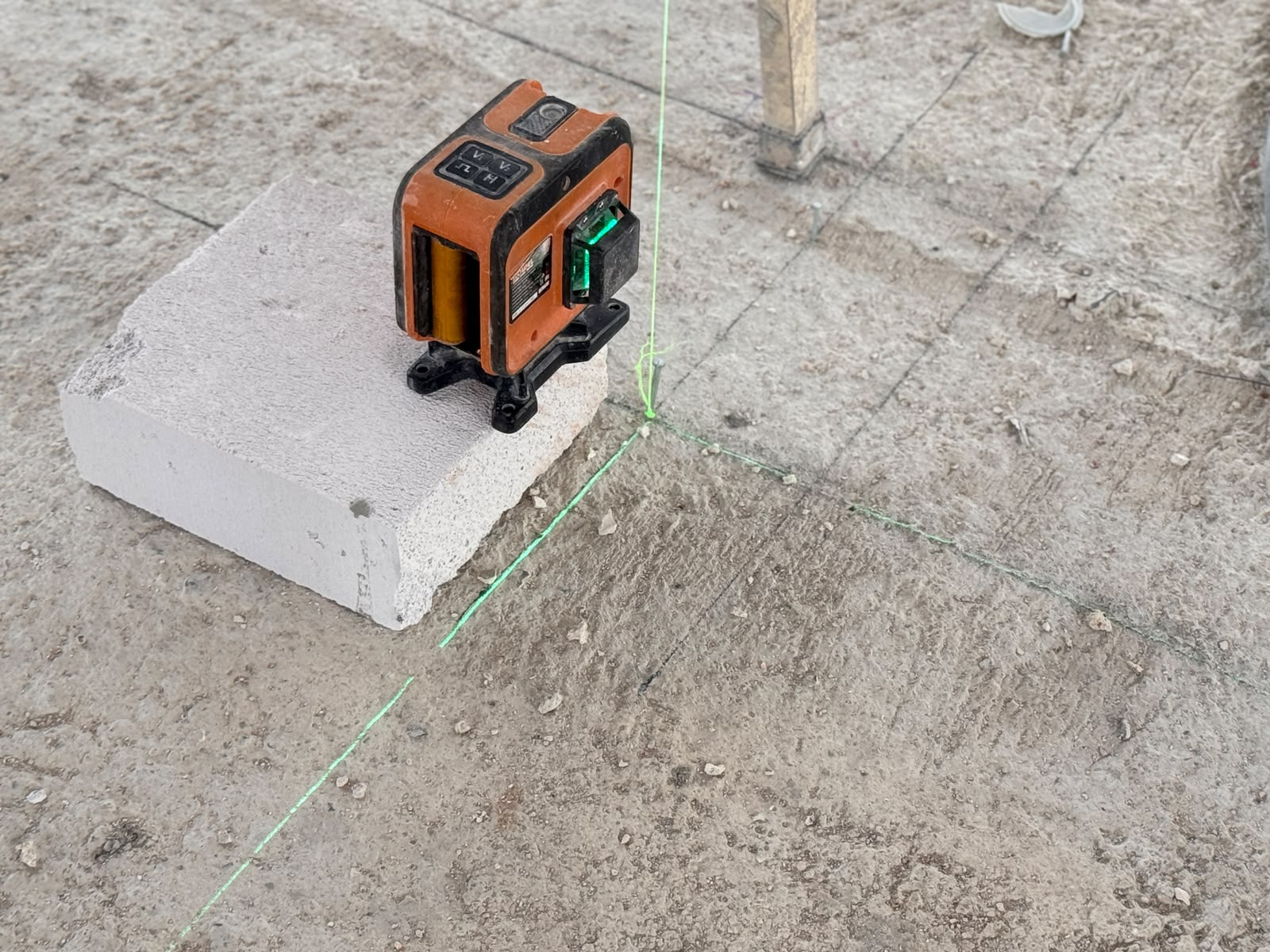
This is particularly useful where several materials meet. Alignment, levels, joint widths, shadow gaps and other apparently small details can have a significant effect on how a finished space feels.
Agreeing the standard early gives everyone on site a clear reference for the work that follows.
Correct problems at the right stage
No construction project is completed without adjustments along the way.
A well-managed site is not one where nobody ever identifies a problem. It is one where issues are identified early enough to be dealt with properly.
Work that falls outside the required standard can then be corrected and checked again before the next stage begins.
Recording recurring issues is also important. If the same problem appears more than once, the cause may lie in the construction method or coordination rather than an individual piece of workmanship.
Addressing the cause is more effective than repeatedly repairing the result.
Protect work that is already finished
Good workmanship can still be damaged after installation.
As construction moves towards completion, several trades are often working in the same areas. Finished flooring, glazing, cabinetry, sanitaryware and other surfaces can easily be scratched, chipped or stained if they are not properly protected.
Protection and site organisation therefore become part of quality control as the project progresses.
Preventing damage is always preferable to repairing a newly installed finish immediately before handover.
Keep a record of the build
Once construction is complete, much of the evidence of how a property was built is hidden.
Photographs taken during construction can provide a useful record of reinforcement, waterproofing, services and other concealed work before those elements disappear behind finished surfaces.
Depending on the project, the construction record can also include inspection reports, test results, approved materials, warranties and as-built information showing the final position of building services.
Together, these records provide a more complete picture of the build than the finished property alone.
Snagging is the final stage, not the whole process
A detailed snagging inspection remains an important part of handover.
It allows visible defects, adjustments and finishing items to be identified and corrected before the property is delivered to its owner.
But snagging is only the final stage of a much longer quality-control process.
By that point, the structure has been completed, waterproofing has been covered and much of the electrical and plumbing installation is no longer visible.
The most effective time to inspect construction is therefore not simply at the end. It is throughout the build, at the points where the work can still be seen, assessed and corrected before the next stage begins.
Published by Dreamvista Development
Developer of The Vista Hua Hin
Discover The Vista Hua Hin
Explore the residences, current availability and the latest opportunities at The Vista Hua Hin.