Property · 7 April 2026
Small Developments vs Large Estates: How Scale Shapes Daily Life
The size of a residential development can affect privacy, traffic, shared costs and management. But the number of homes is only part of the picture: plot sizes, layout and the way an estate is run matter just as much.
Plot sizes, spacing and privacy
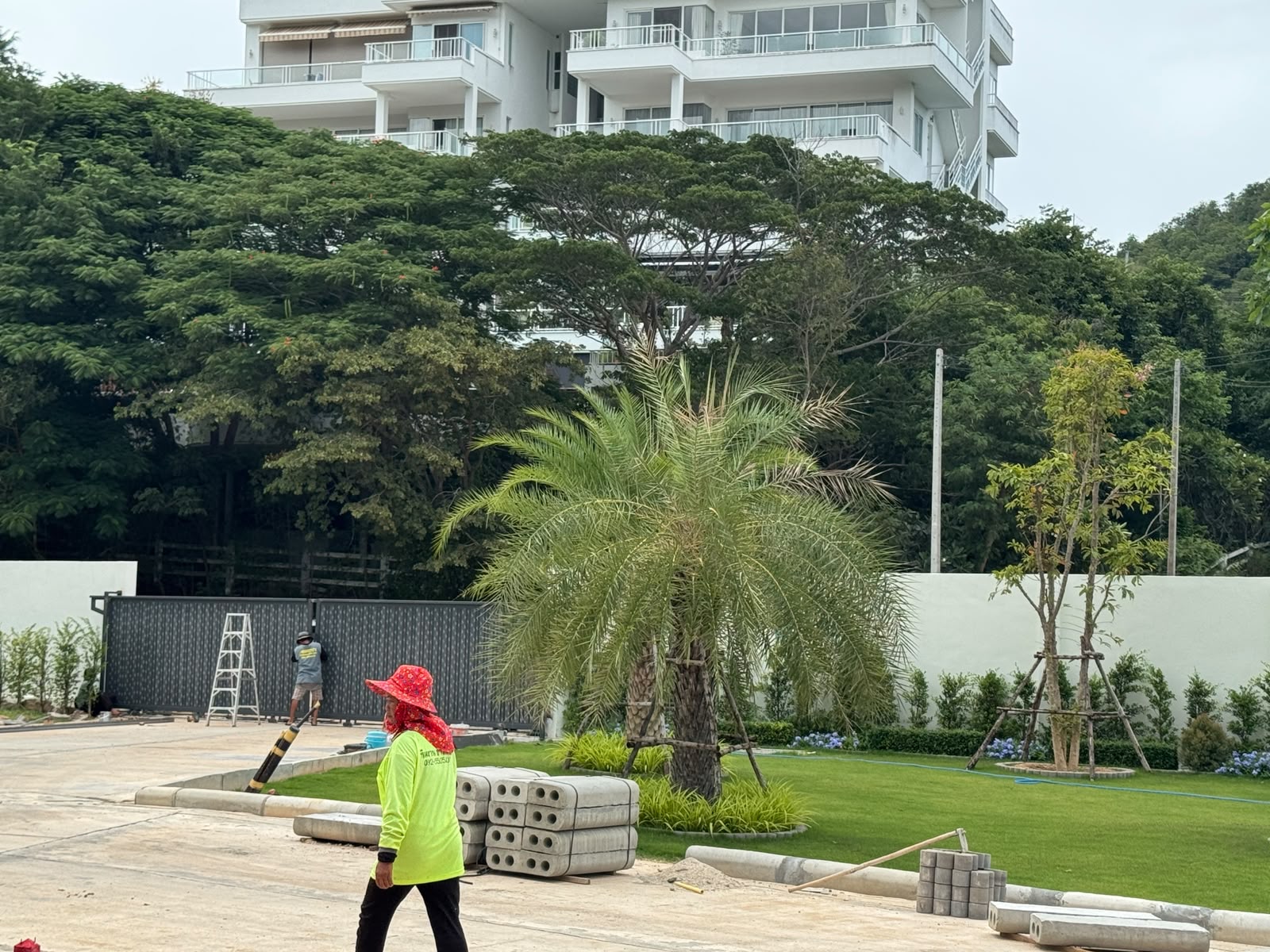
Scale and density are not the same thing. A large estate can have spacious plots, while a small development can place homes close together. To assess privacy, look at the distance between buildings, boundary treatments and the position of windows, terraces and pools.
Larger setbacks and landscaped borders can reduce overlooking and provide a buffer from neighbouring activity. They do not guarantee quiet or privacy, particularly where upper-storey windows face adjacent gardens.
Repeated house layouts are not necessarily a drawback either. What matters is how each home sits on its plot and how its living spaces relate to those next door.
Internal roads and everyday traffic
More homes sharing an entrance or road generally mean more resident, visitor and delivery movements. The effect on an individual property depends on its position: a home near the main gate may experience more passing traffic than one on a short side lane.
Smaller developments may have quieter access roads because fewer households use them. Even so, road layout, construction activity and maintenance visits can affect noise and convenience.
Drainage, lighting and entry systems also need to suit the development they serve. Fewer homes do not automatically mean more reliable infrastructure or lower maintenance costs.
Shared facilities and the cost of upkeep
Large estates can spread infrastructure and communal facility costs across more households. Bulk purchasing and standardised construction may also bring economies of scale, though these do not necessarily translate into lower purchase prices or service charges.
Extensive shared facilities bring continuing maintenance obligations. Buyers should weigh the facilities they expect to use against the cost of maintaining them.
A smaller development may have fewer communal areas to support, but it also has fewer owners among whom to divide repair bills. Compare what shared charges cover, how major works are funded and who is responsible for upkeep rather than assuming that a smaller estate will cost less to run.
Construction phases and design consistency
A large development built in phases may remain under construction after its first residents move in. The location of later phases, construction access routes and the expected programme can therefore matter as much as the finished master plan.
Smaller projects may be easier to oversee as a whole, but size alone does not establish build quality or design consistency. Examine the specifications, completed work and arrangements for construction oversight in either setting.
Management and security
A smaller group of owners may find it easier to discuss maintenance and agree priorities. That is not a guarantee of consensus: clear responsibilities and sound management still matter.
Large estates have more households and facilities to coordinate, making their management arrangements particularly significant. In both settings, buyers should understand who makes decisions, how charges are set and how maintenance concerns are handled.
Gate staff in a small community may become familiar with residents more readily. Security nevertheless depends on staffing, visitor procedures and access controls, not simply the number of homes.
The Vista Hua Hin’s 12-home layout
The Vista Hua Hin is planned as a 12-residence development, with single-storey V Series homes and two-storey X Series homes. The X Series includes a private lift and rooftop terrace.
For buyers comparing the two layouts, useful checks include the space around each home, sightlines from neighbouring upper floors and terraces, and the position of each plot relative to the entrance. These details provide a clearer picture of privacy than the residence count alone.
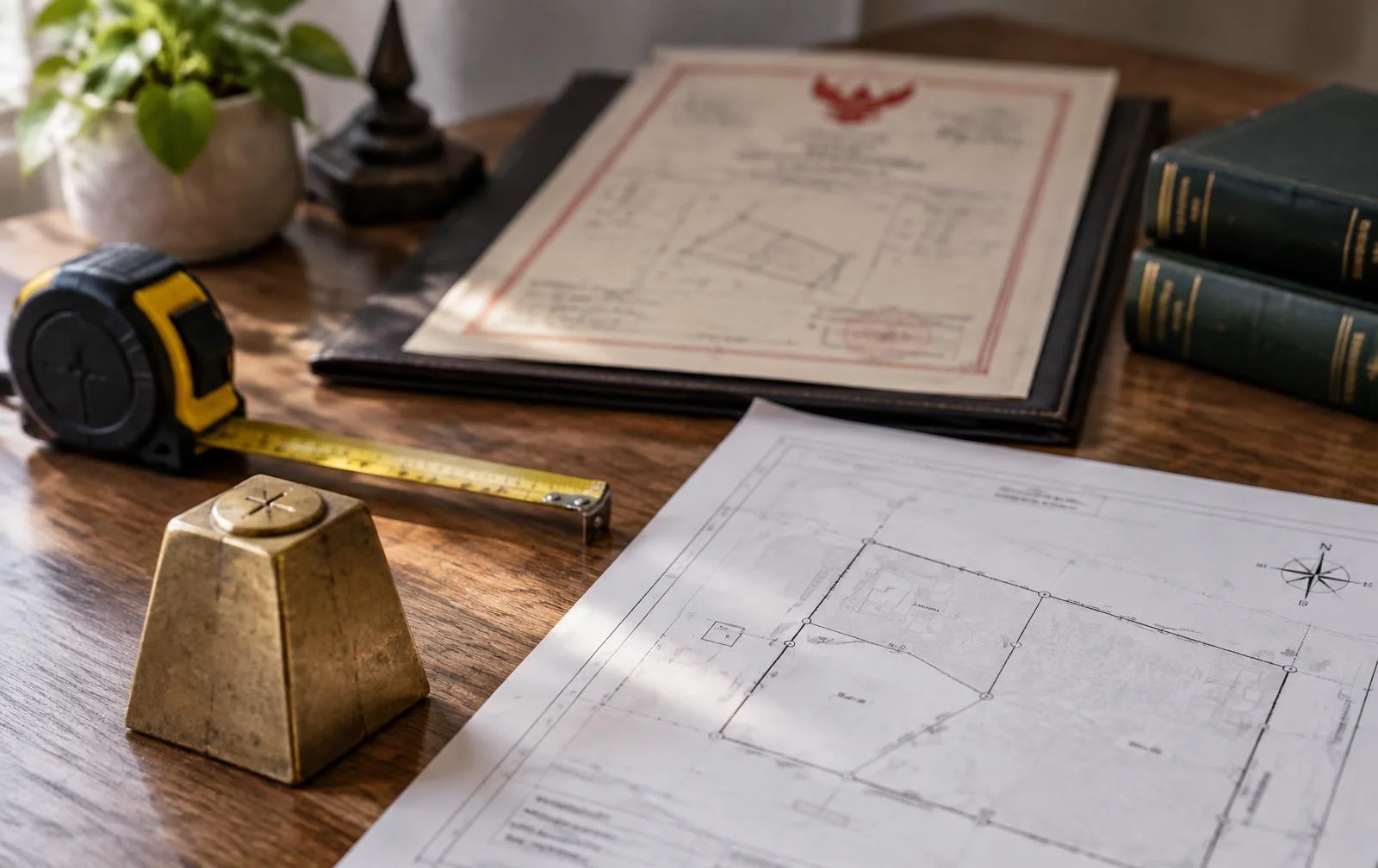
The project describes its residences as fully furnished, with payments linked to construction milestones. Buyers should confirm current prices, furnishing specifications and payment terms, and have its stated development licence and Chanote title independently checked.
This is general property information, not legal or financial advice. Obtain independent advice before committing to a purchase.
The Vista Hua Hin
Continue exploring Hua Hin
Discover more considered stories about the places, practicalities and everyday rhythms that shape life in Hua Hin.
Read more from Discover Hua HinStay updated
New stories from Hua Hin.
Receive new Journal articles, local insights and occasional updates from The Vista Hua Hin.